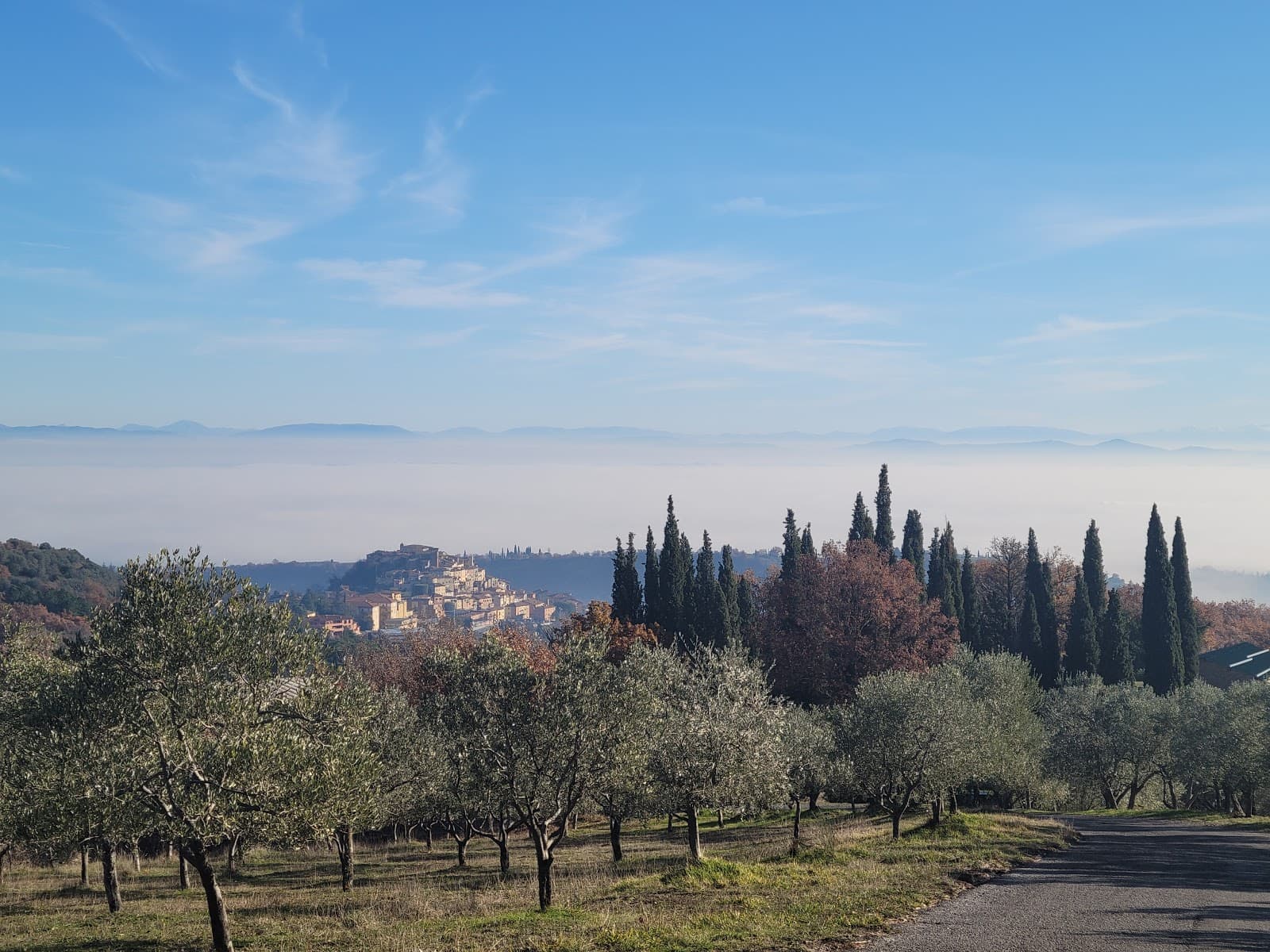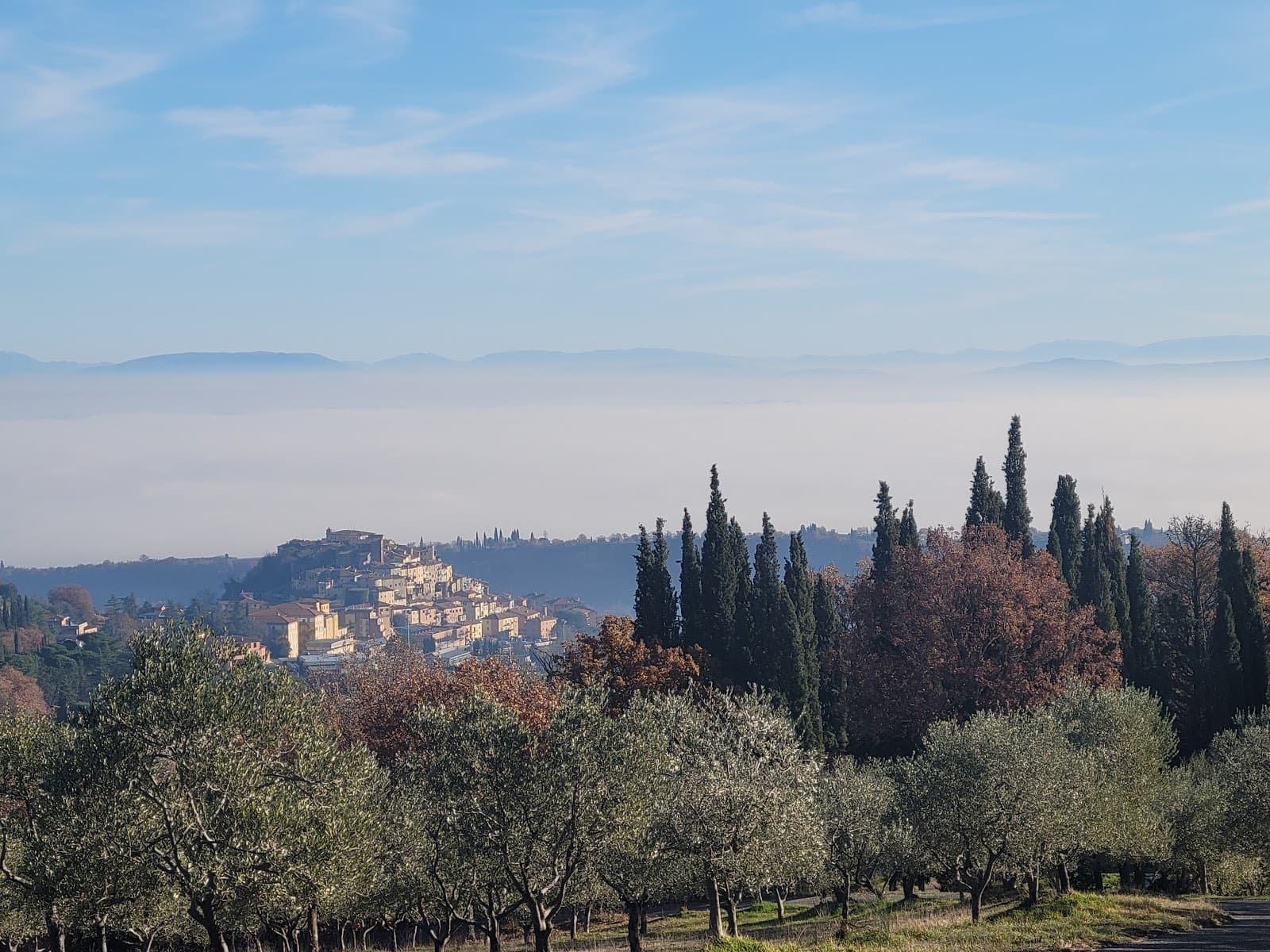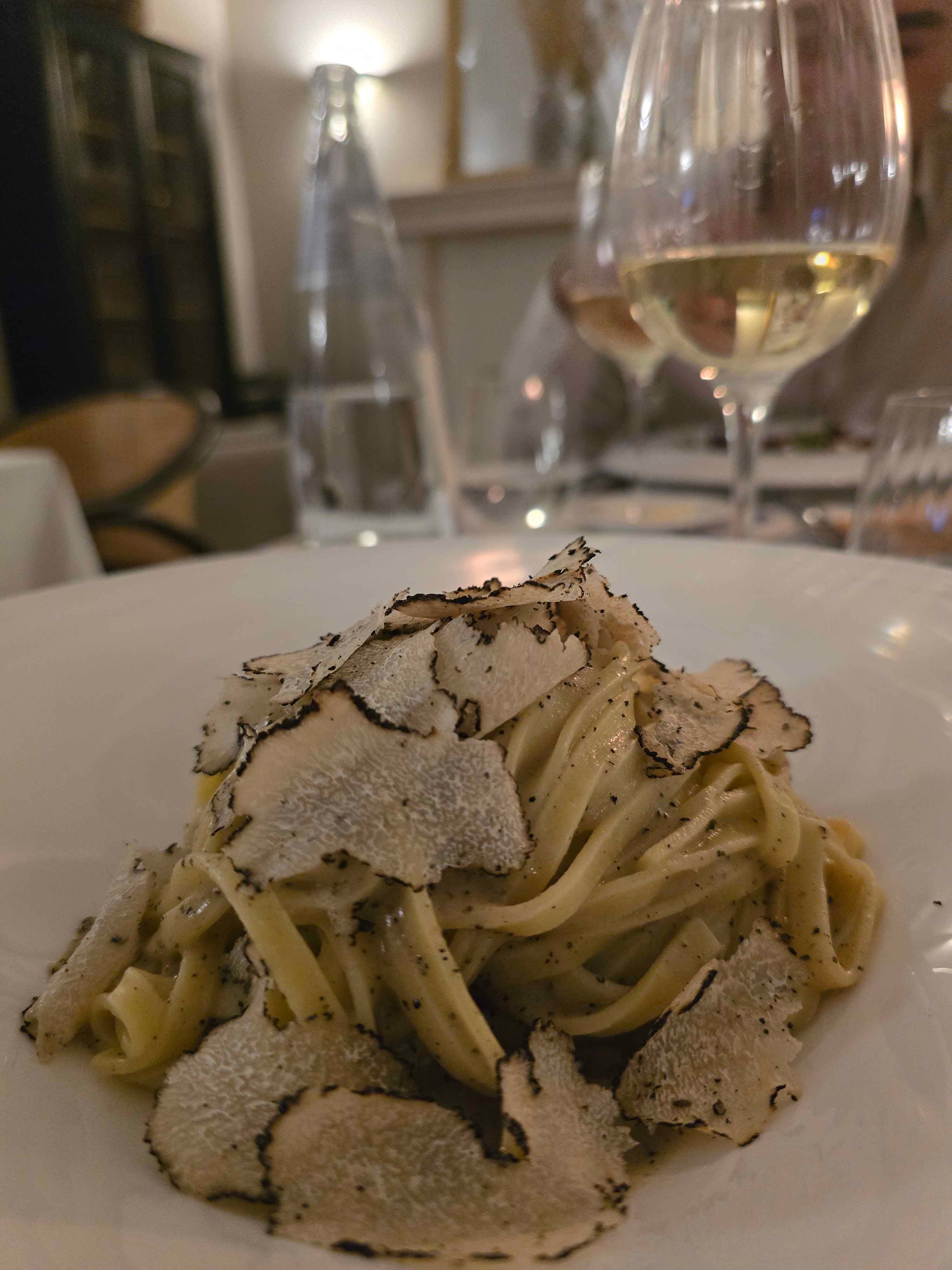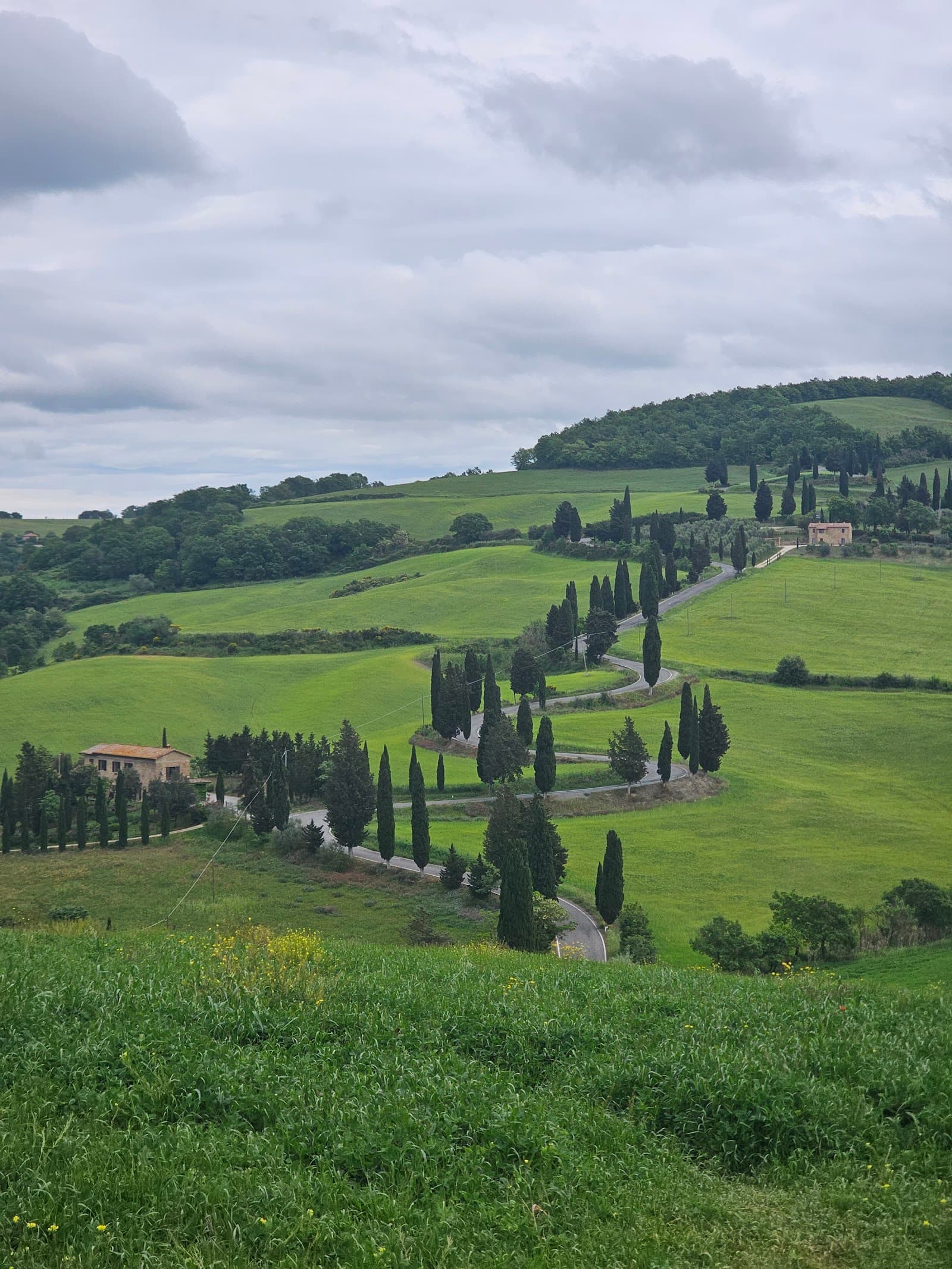
Three days is enough to cover the town, the Val d'Orcia and the wine country properly — if you plan it right. Here's exactly how I'd spend 72 hours in one of Italy's finest corners.
3 Days in Montepulciano: The Itinerary I’d Give a Friend
Three days is the right amount of time for a first Montepulciano trip if you plan it properly. One day for the hill town itself. One day for the Val d’Orcia. One day for wine country, a long lunch, and the slower things that make this part of Tuscany worth the effort.
The mistake is trying to see every postcard village in southern Tuscany in 72 hours. You can do that, but you will mostly remember parking, driving, and checking Google Maps. This itinerary is built differently: fewer stops, better timing, enough slack for lunch, heat, kids, wine, and the kind of view that makes everyone go quiet for a minute.
You will want a car for Days 2 and 3. If everyone wants to drink on the winery day, book a driver in advance. Montepulciano has taxis, but it is not a city-taxi market where cars appear whenever you need one.
Quick Summary: The Best 3-Day Montepulciano Plan
Day 1 — Montepulciano town: Corso, Piazza Grande, underground cellars, San Biagio, sunset aperitivo, dinner in town.
Day 2 — Val d’Orcia loop: Pienza, San Quirico d’Orcia, Bagno Vignoni, optional Bagni San Filippo or a slower afternoon drive back through Monticchiello.
Day 3 — Wine country: One proper winery visit, lunch at a winery or countryside restaurant, optional Montalcino or a relaxed villa afternoon.
If you are staying at a villa, this rhythm works well: town day first, road-trip day second, wine/lunch day third. It avoids starting the holiday with too much driving and gives you a real sense of where you are before you head deeper into the countryside.
Before You Start: Car, Parking, Heat and Reservations
For Montepulciano town, do not drive into the historic centre unless your accommodation has given you explicit access instructions. The town has ZTL restrictions and narrow streets that are not worth testing in a rental car. Use the usual visitor parking options — P1, P7 or P8 — then walk in.
For the Val d’Orcia and winery days, a rental car is the practical default. Buses exist, but they do not work for this itinerary. If you are planning tastings where everyone wants to drink, arrange a private driver before the trip. See the transport guide for taxi and NCC contacts: Getting to Montepulciano.
Book ahead for:
- Osteria Acquacheta if you want the classic steak dinner.
- La Grotta if you want dinner near San Biagio.
- Any countryside winery tasting, especially Dei, Bindella, Poliziano, Boscarelli, Salcheto or Avignonesi.
- Any driver for an evening return or winery day.
In July and August, build the day around heat. Do town walking early, long lunch in shade, pool or rest in the late afternoon, then go out again after 6pm.
Day 1 Morning: Walk Montepulciano from Porta al Prato to Piazza Grande
Start at Porta al Prato, the lower gateway into the historic centre. This is the right direction to walk Montepulciano: bottom to top, slowly, with stops. The main street climbs steadily through the town until it reaches Piazza Grande at the summit.
The walk is not long, but it is uphill. Wear decent shoes, especially if you are travelling with older relatives or small children. If someone in the group struggles with steep streets, take your time and use the cafés as tactical pauses rather than treating the walk like a forced march.
Look for the small details: Renaissance palaces, stone doorways, wine shops built into old cellars, side streets that suddenly open to valley views. Montepulciano is not a checklist town. It is better when you let the street pull you uphill.
Day 1 Late Morning: Underground Cellars Without Moving the Car
One of Montepulciano’s best advantages is that you can taste wine in historic cellars without leaving town. This is ideal for Day 1 because nobody has to drive between wineries.
Start with one of the classic underground cellars near the centre:
- Cantina De’ Ricci — dramatic underground rooms and a strong first cellar experience.
- Contucci — historic, central, easy to combine with Piazza Grande.
- Ercolani — useful if you want a broader food-and-wine stop along the Corso.
Do not turn this into a full wine day yet. One cellar before lunch is enough. You still have two more days, and Day 3 is better for countryside estates.
Day 1 Lunch: Stay in Town and Keep It Simple
For lunch on the first day, stay inside the historic centre. You do not need a destination restaurant yet. You need pici, water, shade, and enough time to sit down properly.
Good first-day lunch logic:
- If you want a classic Montepulciano meal, book somewhere in or near the upper town.
- If you have kids, avoid turning lunch into a two-hour formal event on arrival day.
- If the weather is hot, choose shade over view.
- If you plan Acquacheta for dinner, keep lunch lighter.
This is a good moment for pici all’aglione, a pecorino plate, ribollita in cooler months, or a simple tagliere with local salumi. Save the big steak or winery lunch for later.
Day 1 Afternoon: Piazza Grande, the Tower and San Biagio
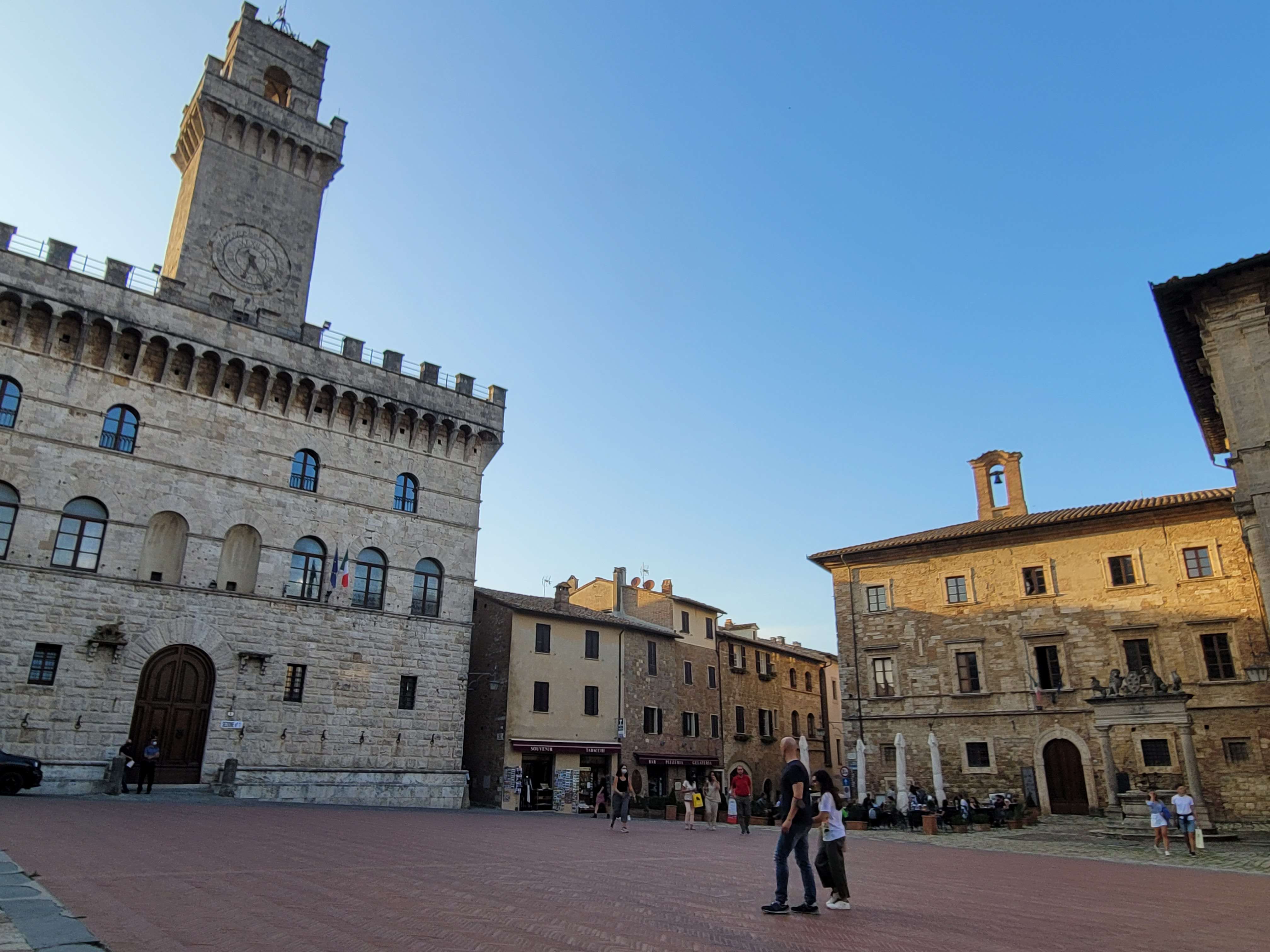
Piazza Grande is the civic heart of Montepulciano: Palazzo Comunale, the Duomo, the well, the stone façades, and the views just beyond the square. If the tower is open and the group is comfortable with stairs, climb it. The view helps you understand the geography for the rest of the trip — Val di Chiana on one side, Val d’Orcia on the other, vineyards below the town.
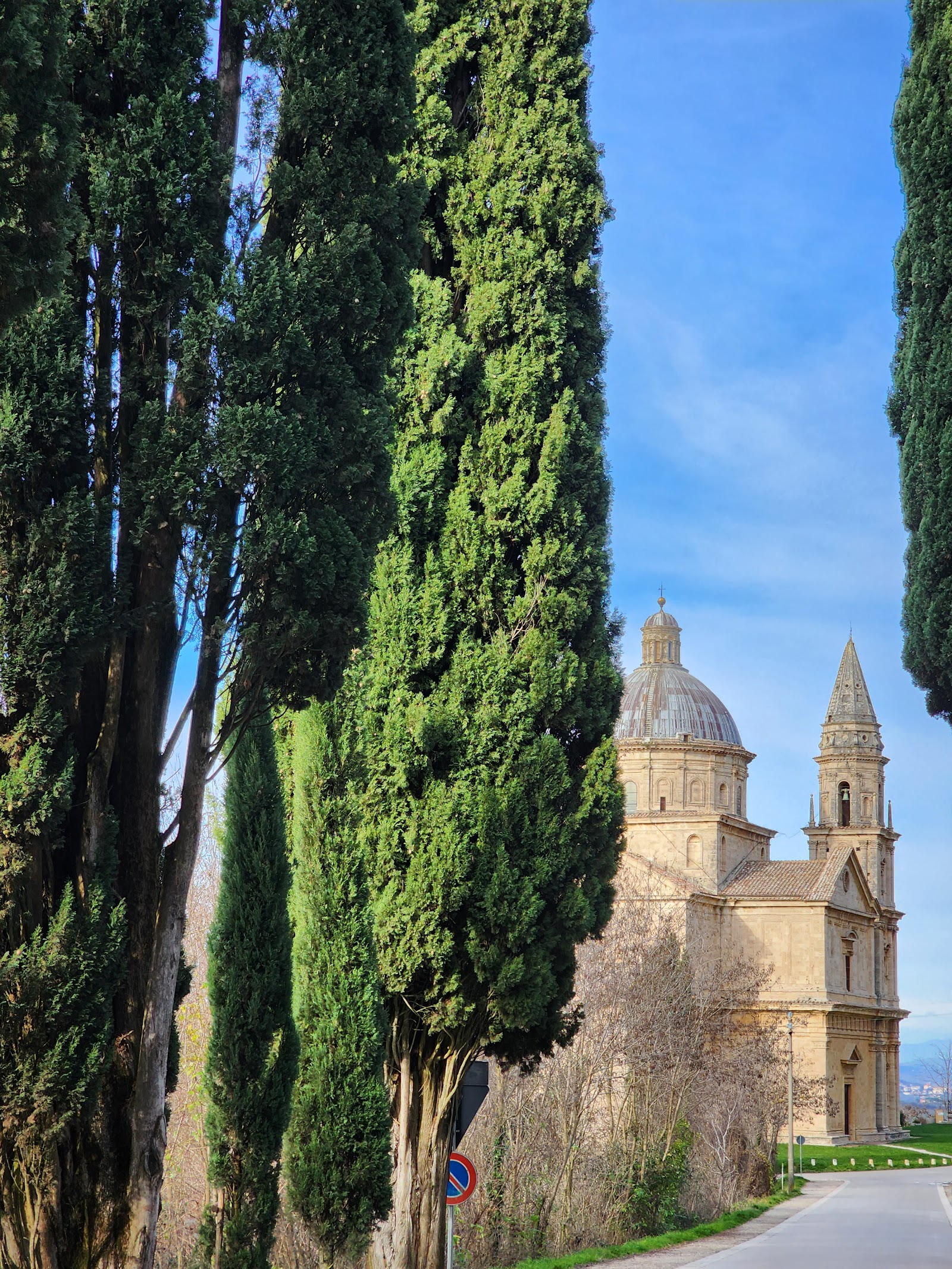
After the piazza, walk or drive down to San Biagio. The church sits below the town walls in a field, which is exactly why it works. It gives you space after the tight streets of the historic centre.
If you walked down, be honest about the return climb. In mild weather it is fine. In August with children, grandparents, or a tired group, it can become the part everyone remembers for the wrong reason.
Day 1 Evening: Sunset Aperitivo and a Proper First Dinner
For aperitivo, choose a place with a view rather than chasing novelty. Caffè Poliziano is the obvious classic, with a terrace over the Val di Chiana. It is not the cheapest glass of wine in town, but the view earns its place.
For dinner, pick based on the group:
- Osteria Acquacheta for the loud, classic Chianina steak night. Book well ahead.
- La Grotta for a more polished dinner near San Biagio.
- Le Logge del Vignola for a special-occasion meal near Piazza Grande.
- A simpler osteria if this is arrival day and people are fading.
If you are staying outside town and everyone wants to drink, pre-book the return taxi. Do not assume you can solve that problem at 11pm.
Day 2 Morning: Pienza Before the Buses Arrive
Leave Montepulciano by 9am and drive to Pienza. The drive takes about 20–25 minutes, depending on where you start, and it is one of the prettiest short drives in Tuscany.
Pienza is small. That is the point. You do not need a full day here unless you are moving very slowly. Give yourself two to three hours for the main street, the cathedral area, the views from the town wall, coffee, and pecorino shopping.
Buy pecorino from a proper cheese shop rather than the most tourist-facing display you see first. Taste before you buy. Fresh pecorino is mild and soft; aged pecorino is sharper, saltier, and travels better. If you are staying in a villa, this is one of the easiest wins for aperitivo at home.
Day 2 Late Morning: The Val d’Orcia Road You Came For
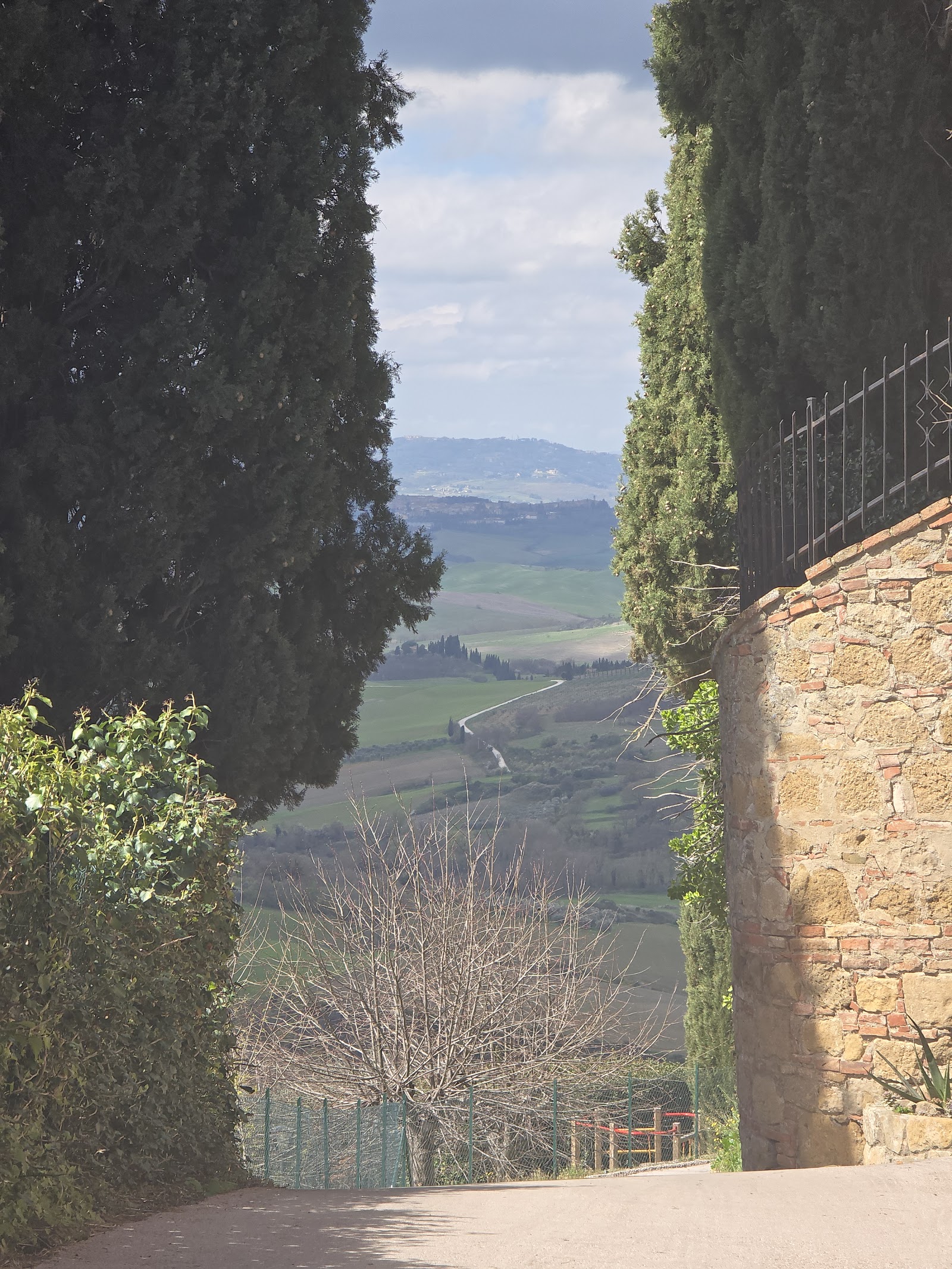
From Pienza, continue toward San Quirico d’Orcia and Bagno Vignoni. This is the landscape people have in mind when they picture southern Tuscany: cypress lines, wheat fields, clay hills, stone farmhouses, and big open sky.
Drive slowly and pull over only where it is safe. The roads are scenic but narrow, and in summer there are plenty of other people trying to take the same photo.
San Quirico is worth a short stop if the group has energy. The Horti Leonini garden is easy, free, and calm. If everyone is already hungry or hot, skip it and continue to Bagno Vignoni.
Day 2 Lunch: Bagno Vignoni or a Countryside Table
Bagno Vignoni is unusual because the main square is a large thermal pool. You cannot swim in the central pool, but it makes the village feel unlike anywhere else in the area.
For lunch, either eat in Bagno Vignoni or book a countryside place between San Quirico and Montepulciano. The better choice depends on your group:
- With children or older relatives, Bagno Vignoni is easy because everything is compact.
- With a couple or adults-only group, a countryside lunch with a view may be more memorable.
- If you plan hot springs later, keep lunch light and practical.
Do not over-schedule this day. The whole value of the Val d’Orcia is the space between places.
Day 2 Afternoon Option A: Bagni San Filippo
If you want a thermal-bath adventure, continue to Bagni San Filippo. The free forest pools are memorable, especially the white limestone formations and steaming water under the trees.
This is not a polished spa. Bring old swimwear, towels, water shoes if you have them, and realistic expectations. The paths can be muddy, the sulphur smell is real, and the best pools are not designed like hotel facilities.
For families, it can be brilliant if your kids are adventurous. For anyone expecting a clean spa with changing rooms and service, choose a paid thermal option instead.
More detail here: Best Hot Springs Near Montepulciano.
Day 2 Afternoon Option B: Monticchiello and a Slower Return
If you do not want hot springs, take the slower return through Monticchiello. It is smaller and quieter than Pienza, with beautiful views back toward Montepulciano and the Val d’Orcia.
This is the better option if you are travelling with people who tire easily, if the weather is hot, or if you would rather have a swim at the villa before dinner. It also keeps the driving pleasant instead of turning the day into a loop that looks good on paper but feels long in practice.
If you are staying at Molino Nobile or another countryside villa, this is a good evening to eat at home: pecorino from Pienza, tomatoes, bread, olive oil, salumi, and a bottle of Rosso di Montepulciano. Not every dinner needs to be a restaurant mission.
Day 2 Evening: Dinner Back Near Montepulciano
After a Val d’Orcia day, I would avoid a long dinner drive. Stay close to Montepulciano or eat at the villa.
Good second-night logic:
- La Grotta if you did not do it on Day 1.
- A simple trattoria in town if you want another walk after dinner.
- A villa dinner if the group is tired, especially with kids.
- A private chef only if you want the evening to feel like the main event rather than a recovery meal.
The biggest mistake is booking something far away because it looked good online. After Pienza, Bagno Vignoni, and the drive home, close and easy usually wins.
Day 3 Morning: One Proper Winery, Not Four Rushed Tastings
Day 3 is wine day. Do one proper countryside winery in the morning and let it breathe. Montepulciano’s wine country is close to town, but the estates are still rural, appointment-based, and better when you are not watching the clock.
Good choices:
- Dei — my first personal pick for many guests: excellent wine, beautiful setting, polished but not soulless.
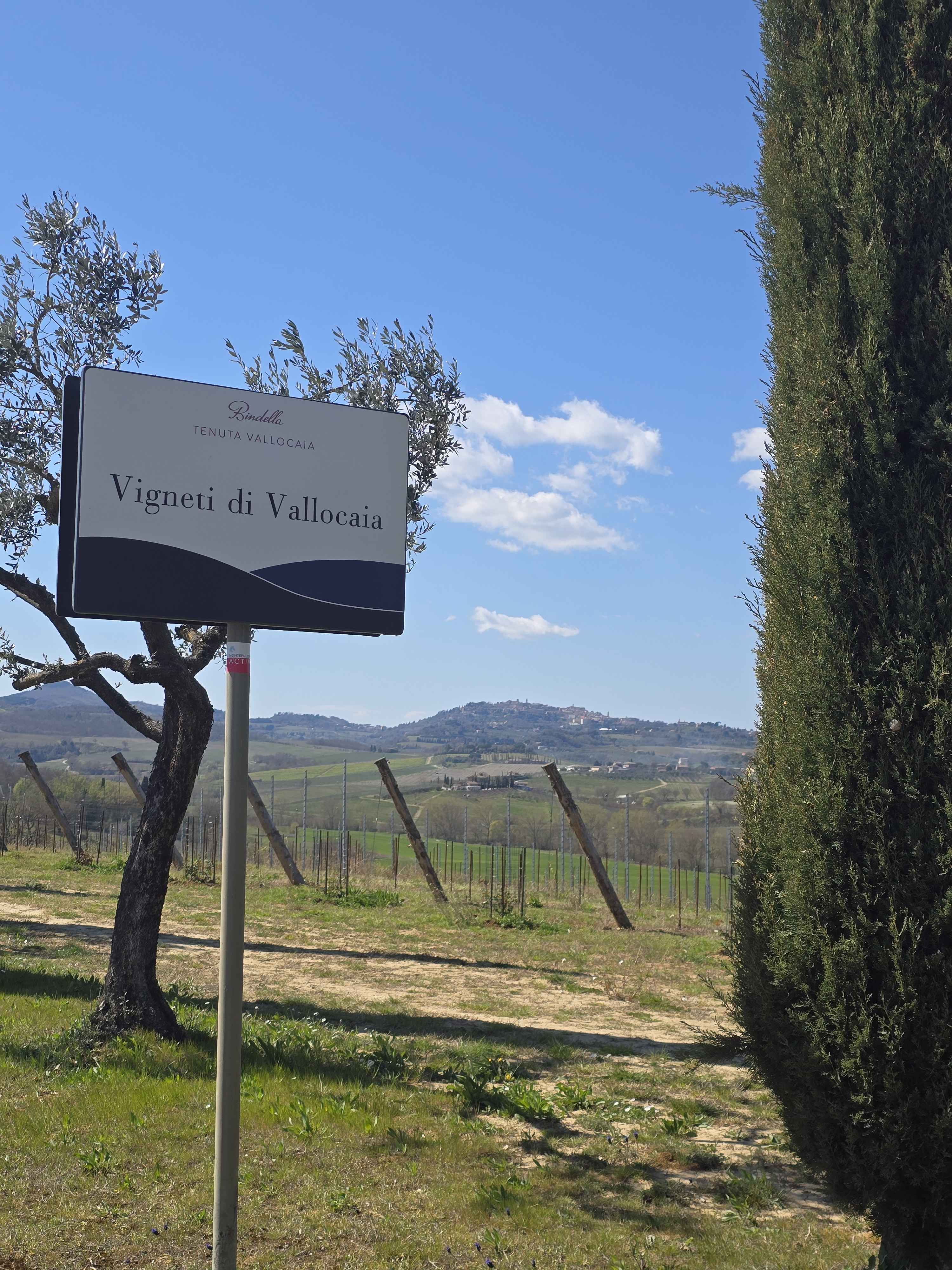
- Bindella — best if you want to combine tasting with a proper winery lunch.
- Poliziano — strong, professional tasting room and serious wines.
- Salcheto — good for people interested in sustainability and modern winery design.
- Boscarelli — serious wine, especially for people already interested in Vino Nobile.
Book ahead. If everyone wants to taste properly, hire a driver. The distances look short, but the roads are rural and this is not where you want to debate who is under the limit.
Day 3 Lunch: Make Lunch the Main Event
A winery lunch is often the best meal of a three-day Montepulciano trip because the timing is right. You have already seen the town. You have done the Val d’Orcia. Now you can sit down, drink locally, and stop pretending the day needs six more stops.
Bindella is the cleanest version of this plan if you want wine, food, views, and a single reservation that holds the day together. Otherwise, choose a countryside restaurant within 15–25 minutes of Montepulciano and keep the afternoon flexible.
If you are doing a tasting and lunch at the same estate, ask how long to allow. Many visitors under-budget the time and then rush the best part of the day.
Day 3 Afternoon Option A: Montalcino for Brunello Context
If your group still has energy, drive to Montalcino in the afternoon. It is about 40–50 minutes from Montepulciano depending on the route, and it gives useful context: Brunello country feels different from Vino Nobile country.
Keep it simple. Walk the town, visit the fortress, maybe taste one Brunello flight, then head back. Do not add three more wineries. After a Montepulciano winery lunch, Montalcino should be a scenic comparison, not a second full wine day.
If the driver plan is unclear, skip this. Wine country is much more enjoyable when nobody is doing mental arithmetic about glasses and blood-alcohol limits.
Day 3 Afternoon Option B: Pool, Villa and a Local Shop Run
The underrated option is to do nothing ambitious after lunch. Go back to the villa, swim, read, nap, and send one person to pick up dinner supplies.
For groups, this is often the better final afternoon. A villa holiday should not feel like a bus tour. If you have rented a countryside house with a pool and views, use it.
Pick up bread, tomatoes, pecorino, salumi, fruit, and a few bottles from the winery you visited. That final low-effort dinner at home is often the meal people talk about later.
Day 3 Evening: Final Dinner or Villa Aperitivo
For the final night, choose one of two moods.
If you want a last restaurant dinner, book somewhere in Montepulciano and keep transport easy. If you want the trip to end slowly, stay at the villa for aperitivo and dinner. Open the bottles you bought, put the Pienza cheese on the table, and let the sunset do most of the work.
If you are staying in town, a final walk through the Corso after dinner is worth it. Montepulciano is at its best when the day-trippers have left and the stone streets are quiet.
If You Have Kids With You
This itinerary works with children, but you need to soften the edges.
Day 1: keep the town walk shorter, use gelato strategically, and do only one cellar. San Biagio is good because there is space outside.
Day 2: Pienza plus Bagno Vignoni is usually enough. Add Bagni San Filippo only if your kids like muddy, adventurous outdoor places. Otherwise return for pool time.
Day 3: choose a winery that is comfortable with families, book lunch, and avoid stacking multiple tastings. A bored child in a tasting room can make 20 minutes feel like two hours.
For more family-specific ideas, read Montepulciano with Kids.
If You Do Not Want to Drive
You can do Day 1 without a car if you stay in or near the historic centre. Days 2 and 3 require a plan.
The realistic no-driving version is:
- Stay in Montepulciano town or very close below it.
- Book a private driver for the Val d’Orcia day.
- Book a driver or guided wine experience for the winery day.
- Use local taxis only for pre-arranged transfers, not spontaneous hopping.
This costs more than renting a car, but it can be the right choice for couples, older travellers, or groups where nobody wants the stress of rural Italian roads. What does not work is assuming buses and last-minute taxis will cover the gaps.
Where to Stay for This Itinerary
For this itinerary, the easiest base is just outside Montepulciano rather than deep in the Val d’Orcia. You want quick access to town on Day 1, a simple road out toward Pienza on Day 2, and wineries within 10–20 minutes on Day 3.
Molino Nobile works well for exactly that rhythm: 10 minutes from Montepulciano, countryside views, 6 bedrooms, heated pool, jacuzzi, and enough space for the final slow afternoon to feel like part of the trip rather than downtime between activities.
If you are comparing bases, read Best Areas to Stay in Montepulciano before booking. The difference between staying in town, below town, and deep countryside matters more than most first-time visitors realise.
What I Would Skip With Only 3 Days
With only three days, I would not try to add Florence, Siena, Cortona, Assisi, Saturnia and Chianti. They are all possible from Montepulciano, but not all on the same short trip.
I would also avoid doing both a full Val d’Orcia day and a full Montalcino-Brunello day unless wine is the main purpose of the trip. For most first-time visitors, Montepulciano town, Pienza, Bagno Vignoni, one winery lunch and one slow villa afternoon is a better balance.
The point is not to leave exhausted. The point is to leave already planning the week-long version.
Frequently Asked Questions
Is 3 days enough for Montepulciano?
Yes. Three days is enough for Montepulciano town, a Val d’Orcia loop, and a proper wine-country day. A week is better if you want Siena, Cortona, more hot springs, or a slower family rhythm, but three days gives a complete first visit.
Do I need a car for 3 days in Montepulciano?
For this itinerary, yes, unless you book private drivers. Day 1 can be done on foot if you stay near town. Day 2 and Day 3 need either a car or pre-arranged driver because Pienza, Bagno Vignoni, countryside wineries and villas are not connected by practical public transport.
Where should I park in Montepulciano?
Use visitor parking outside the historic centre. The usual recommendations are P1, P7 or P8. Do not drive into the centro storico or ZTL unless your accommodation has explicitly told you that you have access.
Should I visit Pienza or Montalcino with only 3 days?
Visit Pienza first. It is closer, easier, and fits naturally into the Val d’Orcia day. Add Montalcino on Day 3 only if your group cares about Brunello or still has energy after the winery lunch.
Can I do a winery day without a driver?
Yes, if one person is happy to be the designated driver and taste lightly. If everyone wants to drink properly, book a private driver or keep the wine tasting walkable inside Montepulciano’s historic cellars.
What is the best month for this itinerary?
May, June, September and October are the easiest months: good weather, better light, and less punishing heat. July and August work, but you need early starts, shade, reservations and pool breaks. Winter is quiet and atmospheric, but some countryside restaurants and experiences reduce hours.
Related Reading
Planning a trip to Montepulciano?
Browse our handpicked villas — pools, vineyard views and everything on your list within easy reach.