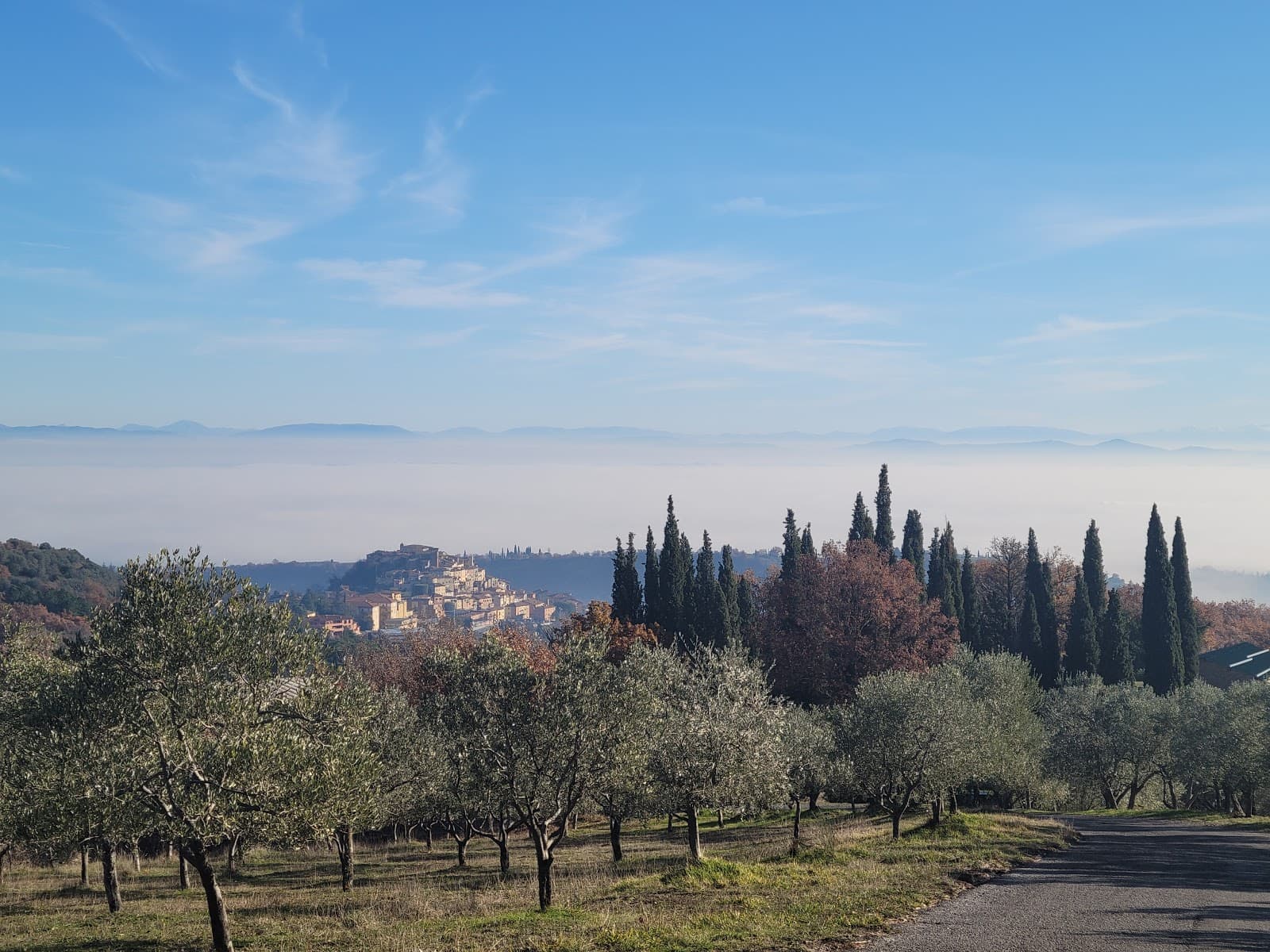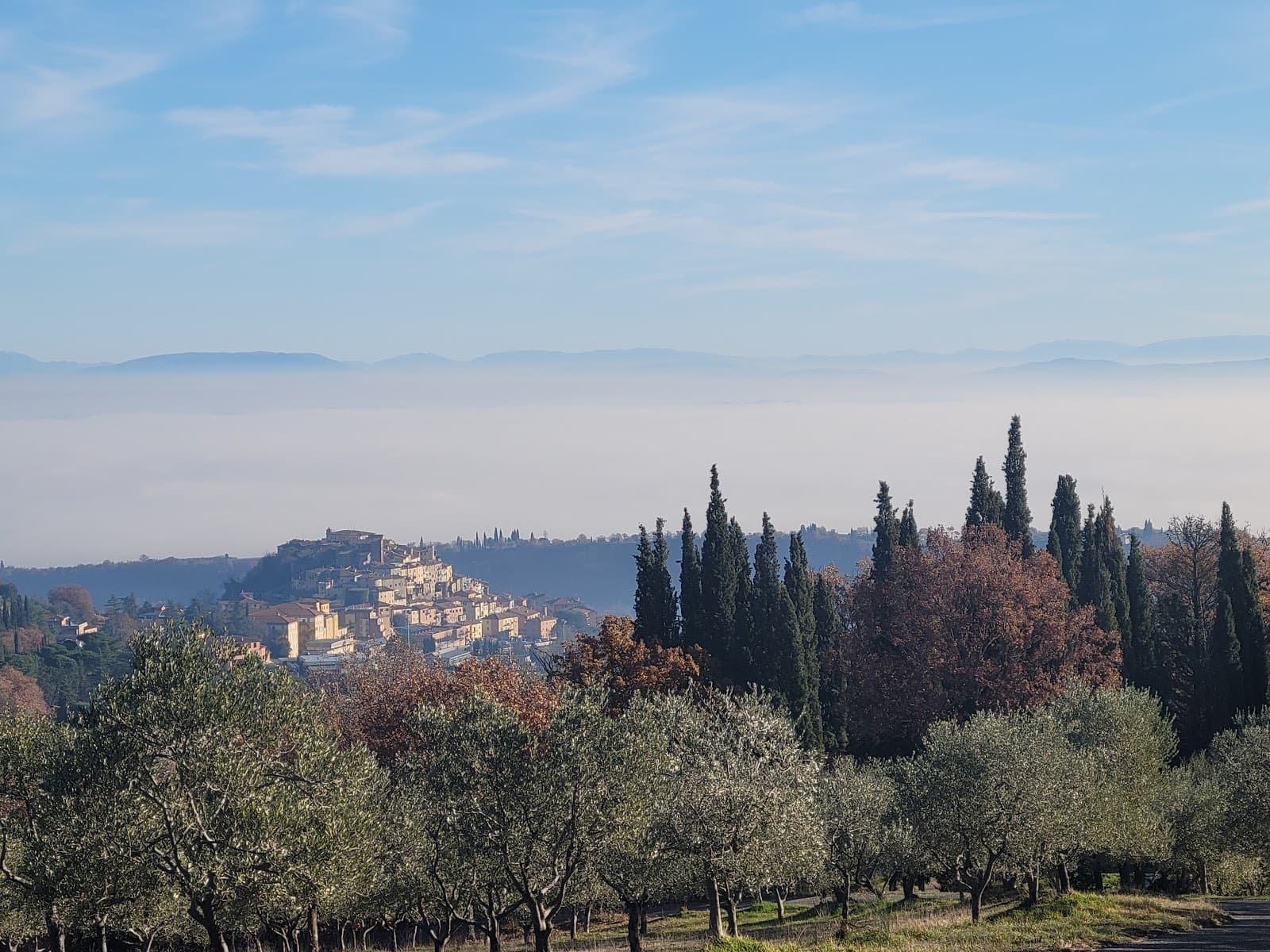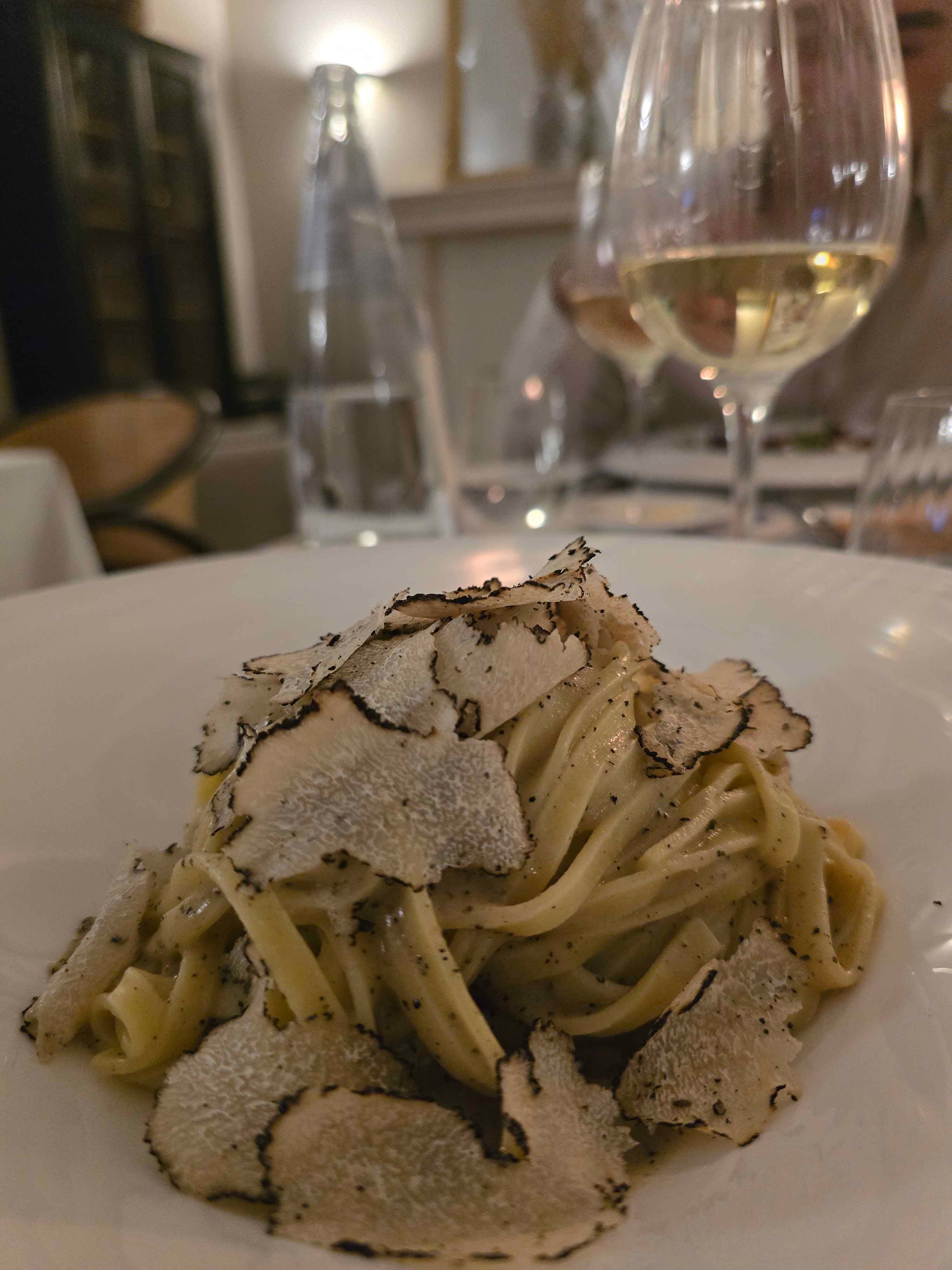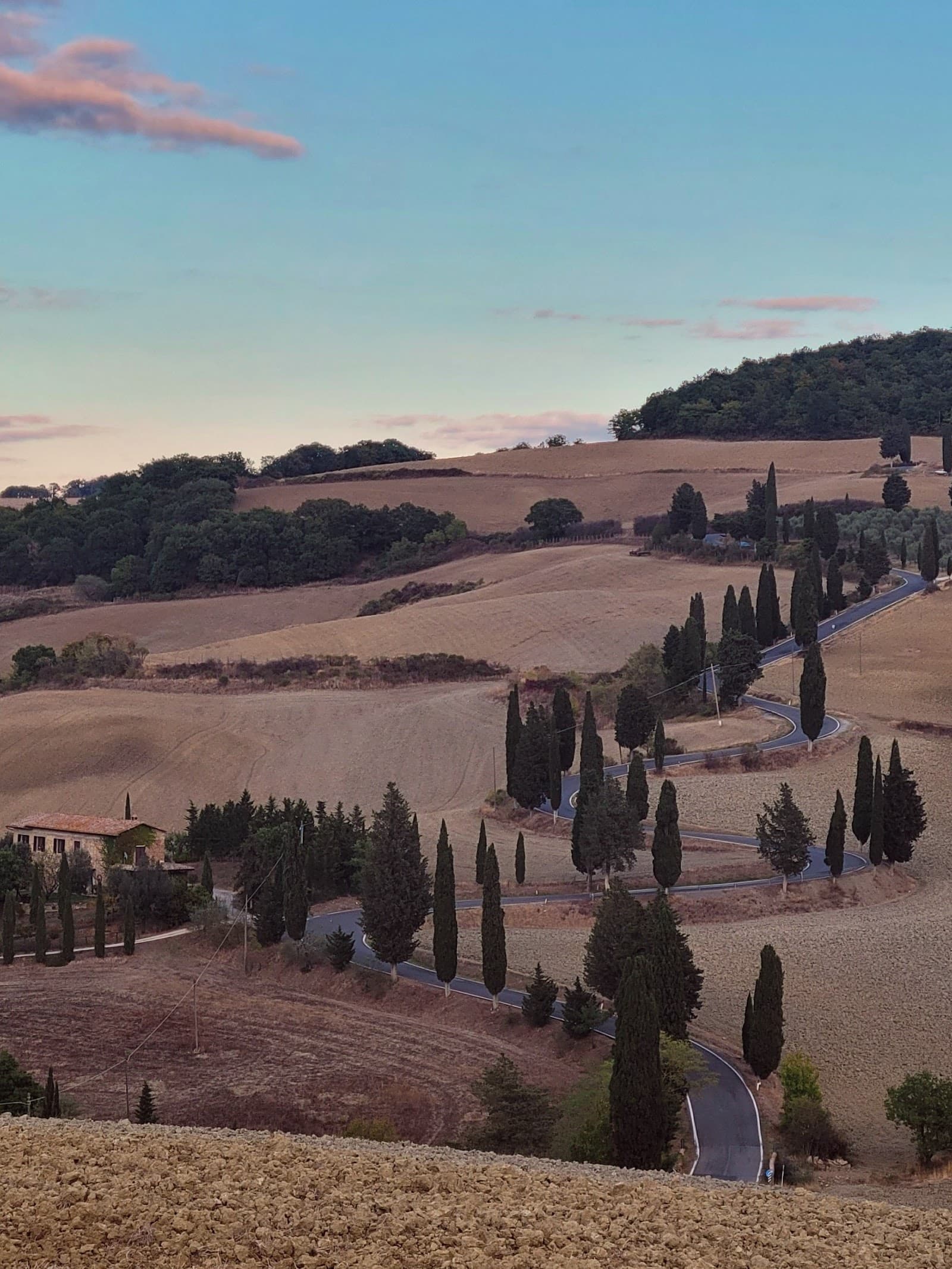
Both are hilltop wine towns with medieval centres and legendary reds. But if you only have one base for southern Tuscany, the choice matters. Here's the honest comparison from someone who lives here.
Montepulciano vs Montalcino: The Honest Comparison
I've lived in Montepulciano for several years, and I get this question more than any other: which town should I base myself in? The answer from every travel blog is some version of "both are wonderful!" That doesn't help you plan a trip.
So here's the real answer: Montepulciano is the better base for most visitors. Montalcino is worth a day trip, possibly an overnight. But if you're spending a week in southern Tuscany and you can only pick one home, pick Montepulciano.
Let me explain why — and also be honest about where Montalcino wins.
Location and Accessibility
Both towns sit on hilltops in the Siena province, roughly 30 minutes apart by car. From Florence, Montepulciano is about 2 hours; Montalcino is 2.5 hours. From Rome, both are around 2–2.5 hours.
The key difference is what surrounds them. Montepulciano sits at the intersection of the Val di Chiana and the Val d'Orcia, putting you within 20–45 minutes of Pienza, Bagno Vignoni, Chianciano Terme, Cortona, Chiusi and the thermal baths at Saturnia and San Filippo. It's central in a way Montalcino simply isn't.
Montalcino is more isolated — tucked into the southwestern corner of the region, with fewer towns in easy reach. Great if you want pure seclusion. Less practical if you want to explore.
Neither town has a train station. You'll need a car regardless of where you stay.
The Wine: Vino Nobile vs Brunello
Here's where it gets interesting — and honestly, where the debate is most legitimate.
Brunello di Montalcino is widely regarded as Italy's greatest red wine. Made from Sangiovese Grosso (locally called Brunello) and aged a minimum of five years before release, it's a wine of extraordinary complexity and longevity. The top producers — Biondi-Santi, Gaja, Soldera, Poggio di Sotto — are among the most celebrated estates in the world. Prices reflect this: a serious Brunello Riserva can run €100–400 per bottle.
Vino Nobile di Montepulciano is made from Prugnolo Gentile, a local clone of Sangiovese that produces wines with more red fruit, softer tannins and earlier accessibility. It's the original "king of wines" — Francesco Redi used that phrase in 1685 — and at its best (Poliziano's Asinone, Boscarelli's Nocio dei Boscarelli, Salcheto's Obvius) it can compete with Brunello at less than half the price.
If your sole purpose is drinking the world's finest Sangiovese, Montalcino edges it. If you want excellent wine at genuinely good value, with more producers to explore and easier cellar access, Montepulciano is unbeatable.
The practical reality: most people visiting either town will be tasting at the enoteca level, and both towns have excellent options along their central streets.
Restaurants
Montepulciano wins convincingly here.
The town has a real year-round local population and a proper restaurant scene that exists to feed residents, not just tourists. That makes a significant difference to quality and atmosphere.
My regular spots:
- Osteria Acquacheta — probably the most famous restaurant in town, known for pici al ragù and legendary bistecca fiorentina cooked over the fire. Expect a queue. Worth it.
- La Grotta — situated directly opposite the Tempio di San Biagio, this is a classic special-occasion restaurant with exceptional pasta and a wine list that does the local DOCG justice.
- Caffè Poliziano — the historic café on the Corso, opened in 1868. The best coffee in the Val di Chiana, a terrace with panoramic views, and genuinely good food.
- Ristorante il Borghetto — reliable, traditional Tuscan cooking at honest prices. Locals eat here.
- Osteria del Conte — up near the Piazza Grande, small and personal. The crostini are outstanding.
Montalcino has good restaurants — Enoteca Grotta dei Barbi and Osteria di Porta al Cassero are both worth visiting — but the overall choice is narrower and the tourist-to-local ratio is higher.
The Towns Themselves
Montepulciano is larger, more alive, and more architecturally interesting.
The Corso climbs steeply from the city gates at Porta al Prato all the way to the Piazza Grande at the summit — a 600-metre walk through successive layers of Renaissance and medieval architecture. Palazzo Contucci, Palazzo Nobile-Tarugi, the Duomo, and the Palazzo Comunale frame the hilltop square in a composition that rivals anything in Siena.
The town has proper shops, a weekly market, a pharmacy, several banks, and the everyday infrastructure of a functioning small Italian city. In August, it hosts the Bravio delle Botti — the ancient barrel race where neighbourhood teams push enormous wine casks up the Corso in a competition that dates to 1373.
Montalcino is smaller and quieter. The Fortezza at the top of town is excellent and you can drink Brunello by the glass from the ramparts — genuinely one of the great aperitivo experiences in Tuscany. The views are magnificent. But the town is walkable in 20 minutes and has relatively few restaurants or shops outside the main street.
If you want atmosphere and life, Montepulciano. If you want tranquillity and the feeling of having the place to yourself, Montalcino (outside August).
Accommodation and Value
Montepulciano offers more options at every price level, from budget apartments in the historic centre to luxury villas in the surrounding countryside. Because the town has a broader tourism base, competition keeps prices sensible.
Montalcino, by contrast, has a more limited supply of accommodation and a clientele that skews toward wine collectors and high spenders. Prices for comparable quality are typically higher.
The surrounding countryside around both towns is genuinely beautiful, but Montepulciano's contado — the network of wine estates and farmhouses immediately surrounding the town — is particularly well-developed for villa rentals. Estates here have been hosting visitors for decades and the infrastructure (private pools, olive groves, views over the vineyards) is excellent.
Day Trips: Who Has the Better Access?
Montepulciano is the winner here, and it's not close.
From Montepulciano, you can reach:
- Pienza (20 min) — the Renaissance ideal city, Pecorino di Pienza, Val d'Orcia views
- Bagno Vignoni (30 min) — the thermal square, atmospheric Val d'Orcia village
- Montalcino (30 min) — yes, easily done as a day trip from here
- Cortona (40 min) — Etruscan museum, Under the Tuscan Sun country, Lake Trasimeno views
- Terme di Saturnia (45 min) — the free cascades, the spa resort
- Chianciano Terme (20 min) — thermal baths, liver-health spring water
- Siena (1hr) — the Campo, the Duomo, the Palio if you're here in July or August
From Montalcino, most of these same destinations are accessible, but the drives are longer, more circuitous, and you'll spend more time in the car.
The Verdict
Montepulciano is the better base for a southern Tuscany trip. More restaurants. More to do in town. More central location. Better value for money. Great wine in its own right.
Do a day trip to Montalcino — it's only 30 minutes and the fortress, the wine and the views are all worth your time. But sleep in Montepulciano.
Where to Stay
If you're looking for a private villa near Montepulciano, **Molino Nobile** is our flagship property — a restored 18th-century farmhouse with 6 bedrooms, a heated pool, jacuzzi and panoramic views over the vineyards. 10 minutes from the historic centre, starting at €1,299 per night.
Frequently Asked Questions
Is Montepulciano or Montalcino closer to Florence?
Montepulciano is marginally closer — about 120km versus 135km. In practice, both are around a 2–2.5 hour drive depending on traffic. Neither is easily accessible by public transport; a rental car is strongly recommended for either base.
Can I visit both towns in one day?
Yes, easily. They're 30 minutes apart. A typical itinerary might be: morning in Montepulciano (Piazza Grande, Corso, cellar tasting), then drive to Montalcino for lunch and the afternoon fortress visit. That's a full but very satisfying day.
Which town has better restaurants?
Montepulciano, unambiguously. The town has a larger year-round population and a broader restaurant scene. Osteria Acquacheta alone is worth basing yourself here.
Is Vino Nobile as good as Brunello?
It's different, not lesser. Brunello di Montalcino has more international prestige and can be transcendent at the top level. Vino Nobile di Montepulciano offers more everyday-drinking pleasure and far better value. At a restaurant or enoteca, you're getting excellent Sangiovese either way.
Related Reading
Planning a trip to Montepulciano?
Browse our handpicked villas — pools, vineyard views and everything on your list within easy reach.