A practical local guide to driving in Tuscany from Montepulciano: rental cars, autostrada tolls, white roads, parking, ZTL zones, fuel, speed cameras, wine days and what actually catches visitors out.
Driving in Tuscany: The Practical Version
If you are staying near Montepulciano, you should plan on driving. Not because public transport does not exist at all, but because it is too thin, too slow and too fragile for the kind of trip most people want here.
The good news: driving in Tuscany is not difficult if you understand a few rules before you arrive. The bad news: the mistakes are expensive. ZTL cameras, speed cameras, wrong parking, fuel-station confusion and optimistic bus plans are what turn a relaxed villa holiday into admin.
I live in Montepulciano, and this is the guide I would give friends before they pick up a rental car in Rome, Florence or Pisa.
Quick Answer: Do You Need a Car in Montepulciano?
Yes. For a countryside villa, a rental car is essential. You can reach Montepulciano by train plus taxi, but once you are here, you will want to visit wineries, Pienza, Monticchiello, Bagno Vignoni, Val d'Orcia, supermarkets and restaurants. Buses are not a realistic daily transport plan.
If you are staying inside the historic centre and only want a short town break, you can manage without a car for two or three days. For a week in southern Tuscany, or for any family or group stay, rent the car.
My default advice: collect the car at the airport or major train station, drive to the villa, and use it lightly but confidently.
What Driving in Tuscany Actually Feels Like
Driving here is slower and more physical than driving on a motorway map suggests. The roads curve. Villages are on hills. Tractors appear. Cyclists use the same scenic roads you are admiring. In summer, everyone is a little hot and parking takes longer than expected.
That said, the driving is not chaotic in the way people sometimes imagine Italian driving. Around Montepulciano, the roads are generally manageable. The main challenge is not aggression; it is attention. You need to watch for speed limits, town gates, ZTL signs, potholes on rural lanes, and the difference between a public road and a private track.
Build in time. A 20-minute drive on Google Maps may become 35 minutes once you park, walk uphill and find the restaurant.
The Best Car Size for Tuscany
Do not rent the largest car you can afford. Rent the smallest car that genuinely fits your people and luggage.
A compact or small SUV is usually ideal for couples and small families. For larger groups, two smaller cars are often easier than one very large van, especially if you plan to park in hill towns. Big vehicles are fine on the autostrada, but they become annoying in medieval streets, gravel driveways and narrow parking lots.
Automatic transmission is worth booking early if you need it. Manuals are still common in Italy, and automatics can be more expensive or limited at smaller rental desks.
For villa groups, check driveway access before choosing a minibus. Some countryside lanes are easier in normal cars than in anything oversized.
Where to Pick Up the Rental Car
For Montepulciano, the cleanest pickup points are usually:
- Rome Fiumicino Airport: best if you are flying into Rome and want one simple transfer. Rome to Montepulciano is usually 2 to 2.5 hours by car.
- Florence Airport or city rental desks: good if you are spending a few nights in Florence first. Do not keep a car while staying in central Florence unless you have parking arranged.
- Pisa Airport: useful for some flight routes; allow more time for the drive south.
- Chiusi-Chianciano Terme station: possible for a train-first plan, but rental options are more limited than at airports.
If you are nervous about city driving, do not collect a car in central Rome or central Florence unless necessary. Airports are usually easier: more stock, clearer exits, and less immediate ZTL risk.
Autostrada Tolls: How They Work
On the autostrada, you usually take a ticket when entering and pay when exiting. Around Montepulciano, the common route from Rome or Florence uses the A1, exiting at Chiusi-Chianciano Terme or sometimes Valdichiana depending on your route.
At toll booths, avoid Telepass-only lanes unless your rental car includes a Telepass device. Use lanes showing cards or cash. Most major cards work, but keep a little cash as backup.
Do not lose the entry ticket. If you do, the system may charge the maximum possible fare for that motorway section.
The tolls themselves are not complicated. The main mistake is drifting into the wrong lane when tired after a flight. Slow down before the booth and read the symbols.
ZTL Zones: The One Rule Tourists Must Learn
ZTL means Zona a Traffico Limitato — a restricted traffic zone, usually covering the historic centre of an Italian town. Cameras photograph plates at entry points. If your rental car is not authorised, the fine comes later through the rental company.
Montepulciano has ZTL restrictions around the historic centre. So do Florence, Siena, Pienza, Rome, Arezzo and many other towns. The sign is usually a white circle with a red border, often with text underneath showing hours, exceptions and authorisations.
Simple rule: do not drive through old town gates or into centro storico streets unless your accommodation has explicitly registered your plate and told you exactly where to go.
For the detailed local version, read the Montepulciano ZTL guide.
Parking in Montepulciano
For most visitors, the safest parking choices are outside the historic centre, then walking in.
Useful areas include:
- P1 Porta al Prato — best first choice for most visitors; park below the historic centre and walk the Corso uphill.
- P6 Montepulciano — good backup when P1 is busy; still outside the ZTL.
- P7 Montepulciano — another practical outside-the-walls option before you start circling.
Check signs before leaving the car. Blue lines usually mean paid parking. White lines may be free or may have time limits. Yellow lines are generally reserved. If there is a machine, pay and display the ticket clearly.
In August, arrive earlier or accept that you may need to walk further.
Parking in Other Tuscan Hill Towns
The same pattern applies almost everywhere: park outside the walls, walk in, and do not try to be clever.
In Pienza, park outside the town and walk through the pedestrian centre. In Montalcino, expect slopes and paid areas. In Siena, use official car parks and do not attempt to drive into the historic centre. In Florence, avoid bringing the car into the city unless your hotel has confirmed parking and ZTL registration.
The extra five-minute walk is almost always cheaper than a fine.
For day trips from Montepulciano, see the best day trips guide and plan parking as part of the route, not as an afterthought.
Fuel: Gas Stations, Self-Service and Opening Hours
Italian fuel stations can confuse visitors because many switch to self-service outside staffed hours. You may see servito and self prices: servito means an attendant serves you and it usually costs more; self is cheaper.
Fuel names:
- Benzina: petrol / gasoline.
- Gasolio: diesel.
- GPL / metano: alternative fuels; do not use unless your car requires them.
Most rental cars are clearly labelled near the fuel cap. Check before leaving the rental desk and again before your first refill.
At unmanned pumps, card machines normally ask you to authorise payment first, choose the pump, then fuel. Some international cards fail. Keep cash or a second card available, especially if driving on a Sunday evening or late at night.
Speed Limits and Speed Cameras
Italy uses speed cameras seriously. They are often signposted, but not always in a way visitors notice.
Typical limits are:
- Autostrada: 130 km/h in good conditions, lower in rain or signed sections.
- Main extra-urban roads: often 90 km/h, sometimes less.
- Towns and villages: usually 50 km/h or lower.
Around hill towns, limits change quickly. A road may feel rural but pass through a small village with a camera. Slow down before entering built-up areas, even if locals behind you seem impatient.
Average-speed systems also exist on motorways. Do not treat the autostrada like an empty racetrack.
White Roads and Gravel Lanes
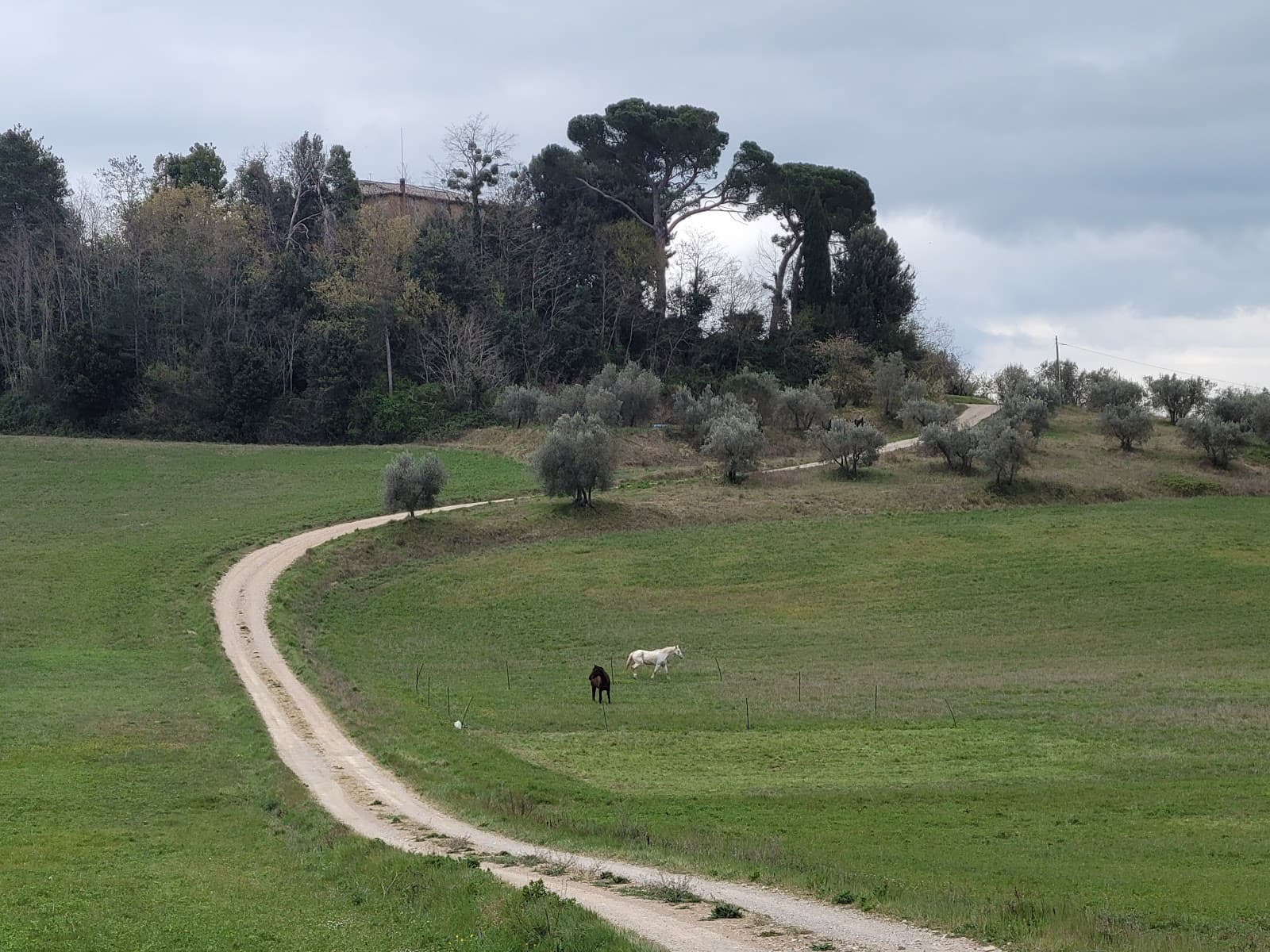
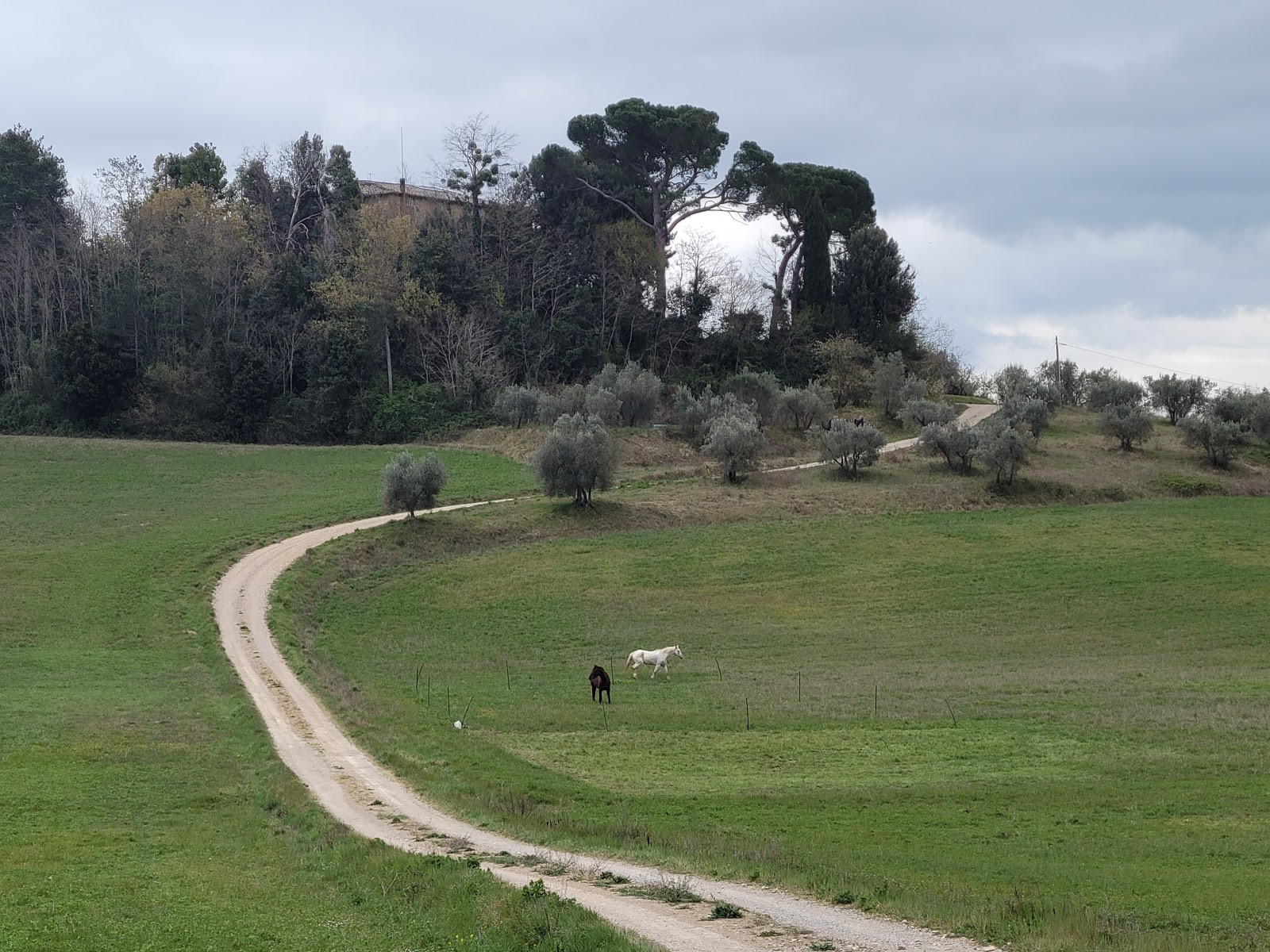
The famous Tuscan strade bianche — white gravel roads — are beautiful, but they are not all equal. Some are smooth and easy. Others have potholes, washouts, steep sections or dust clouds in summer.
If your villa is reached by a gravel lane, ask for practical directions, not just coordinates. Google Maps can choose strange shortcuts in rural Tuscany. The fastest route on the app may not be the route a local would take.
Drive slowly on gravel. Keep distance from the car ahead. In dry weather, dust reduces visibility. After heavy rain, some lanes become rutted or slippery.
For most visitors, normal rental cars are fine. You do not need a 4x4 unless your accommodation specifically says so.
Wine Tasting and Driving
This is where people need to be honest. Tuscany is wine country, but Italian drink-driving rules are strict and the roads are not forgiving.
If you are doing a proper winery lunch or multiple tastings, arrange a driver or choose a designated driver who will genuinely not drink. Do not assume you can taste lightly and be fine, especially if the tasting includes several wines, lunch and a hot afternoon.
Good alternatives:
- Visit historic wine cellars inside Montepulciano town and walk.
- Book one countryside winery and have a non-drinking driver.
- Arrange a private driver for a Val d'Orcia and winery day.
- Keep tastings short and buy bottles to enjoy later at the villa.
For ideas, use the bookable experiences guide and solve transport before booking.
Driving With Kids or a Large Group
With children, the car is freedom, but only if you keep the days simple. Do not plan three hill towns in one day and then wonder why everyone is irritable. Heat, hills, parking and restaurant waits add up.
For families, I would plan one main stop, one food stop and one optional stop. Bring water. Keep snacks in the car. Avoid long scenic detours when children are already done.
For large groups, agree the plan before leaving the villa. Two-car groups need a meeting point, not vague instructions like follow us. Parking availability may split you up. WhatsApp, Google Maps pins and a clear lunch reservation help more than optimism.
If you are staying at Molino Nobile, the better rhythm is often a morning drive, lunch out, then pool time rather than a full day in the car.
What to Keep in the Car
A few small things make Tuscan driving easier:
- Water, especially from May to September.
- Coins or a card for parking machines.
- Sunglasses; the low evening light can be strong.
- A phone mount if you are using Google Maps.
- Offline maps or saved directions for rural lanes.
- A light bag for market shopping and picnic stops.
- The rental agreement and insurance documents.
Do not leave visible bags, laptops or cameras in the car, especially in city car parks. Rural Tuscany feels safe, but common sense still applies.
Common Mistakes to Avoid
The mistakes I see most are predictable:
1. Renting too large a car.
2. Driving into a ZTL because the GPS says to.
3. Assuming buses will work for villa logistics.
4. Forgetting to check whether the rental car is petrol or diesel.
5. Parking in yellow spaces.
6. Planning wine tastings without a driver.
7. Trusting Google Maps shortcuts down tiny rural roads.
8. Trying to visit Florence by car from a countryside villa without thinking about parking.
9. Leaving luggage visible in the car on transfer days.
10. Underestimating how tiring hill-town walking is after a long drive.
None of these are dramatic if you plan ahead. They are just annoying and expensive if you learn them after arrival.
My Recommended Driving Plan for a Villa Week
For a week near Montepulciano, I would structure the driving like this:
- Arrival day: drive to the villa, supermarket stop if needed, no ambitious dinner far away.
- Day 1: Montepulciano town, park outside the centre, walk slowly.
- Day 2: winery lunch or tasting, driver arranged if everyone wants wine.
- Day 3: Pienza and Val d'Orcia scenic loop.
- Day 4: pool / local market / short restaurant run.
- Day 5: Siena, Arezzo or a larger day trip if the group has energy.
- Day 6: easy local day, San Biagio, Monticchiello or Bagno Vignoni.
- Departure day: leave time for fuel, traffic and rental return checks.
That gives you the benefit of the car without turning every day into a transfer.
Where to Stay if You Are Driving in Tuscany
A countryside villa works best when you treat the car as a tool, not the centre of the holiday. You use it for groceries, restaurants, wineries and day trips, then come back to space, views and a pool.
For families and groups, Molino Nobile is a practical base because you are close enough to Montepulciano for town visits, but outside the ZTL and away from the nightly parking problem. That matters more than people realise before arrival.
The best setup is simple: rent a sensible car, park easily at the villa, drive short routes most days, and save the long day trips for when everyone is rested.
FAQ: Driving in Tuscany
Is driving in Tuscany difficult?
No. Around Montepulciano, driving is manageable if you take it slowly and understand ZTL zones, parking signs and rural roads. The main issue is not difficulty; it is expensive mistakes from rushing or following GPS blindly.
Do I need an International Driving Permit in Italy?
Many non-EU visitors, including US travellers, are commonly advised to carry an International Driving Permit alongside their home licence. Check the current rules for your nationality and rental company before travel, because rental desks and police checks may expect it.
Is it better to drive from Rome or take the train?
For a villa stay, driving from Rome is usually easier. Rome to Montepulciano is about 2 to 2.5 hours by car. The train to Chiusi can work, but you still need a taxi or rental car for the final leg and for local travel.
Can I drive into Montepulciano historic centre?
Usually no, unless you have specific authorisation. Park outside the historic centre and walk in. Do not enter old town streets or gates just because your GPS suggests it.
Are Tuscan gravel roads safe for rental cars?
Most normal gravel roads are fine if driven slowly, but avoid strange shortcuts and ask your accommodation for the best approach. After heavy rain, some lanes can become rough.
Should I rent an automatic car in Tuscany?
If you are not comfortable with a manual, yes. Book early because automatics are less common and can cost more. The hills, parking and narrow roads are not where you want to learn manual shifting.
Can I do wine tastings if I am driving?
Only with a designated driver who is not drinking, or by booking a private driver. For in-town cellars, you can walk. For countryside wineries, solve transport before booking.
Related Reading
Planning a trip to Montepulciano?
Browse our handpicked villas — pools, vineyard views and everything on your list within easy reach.