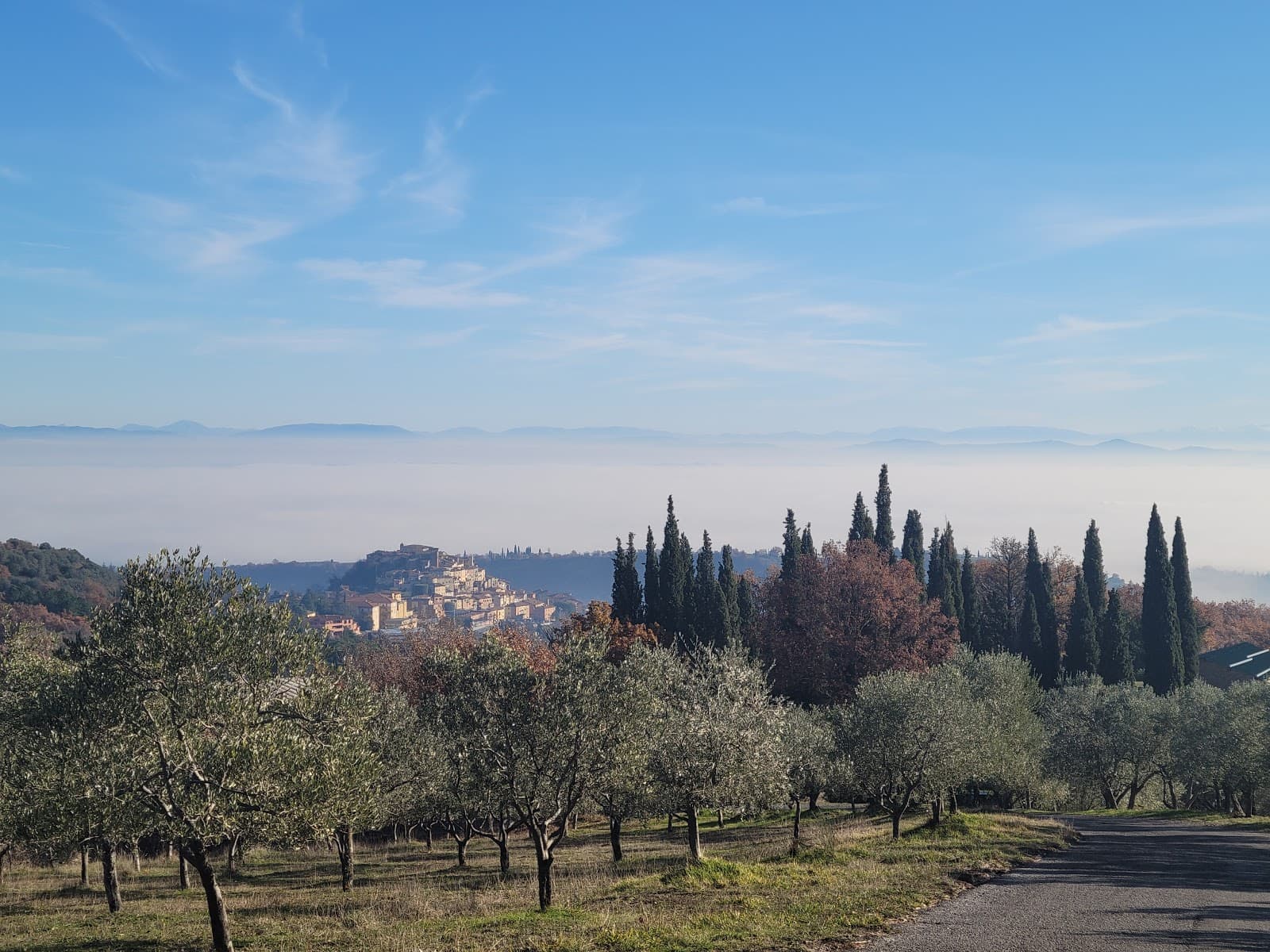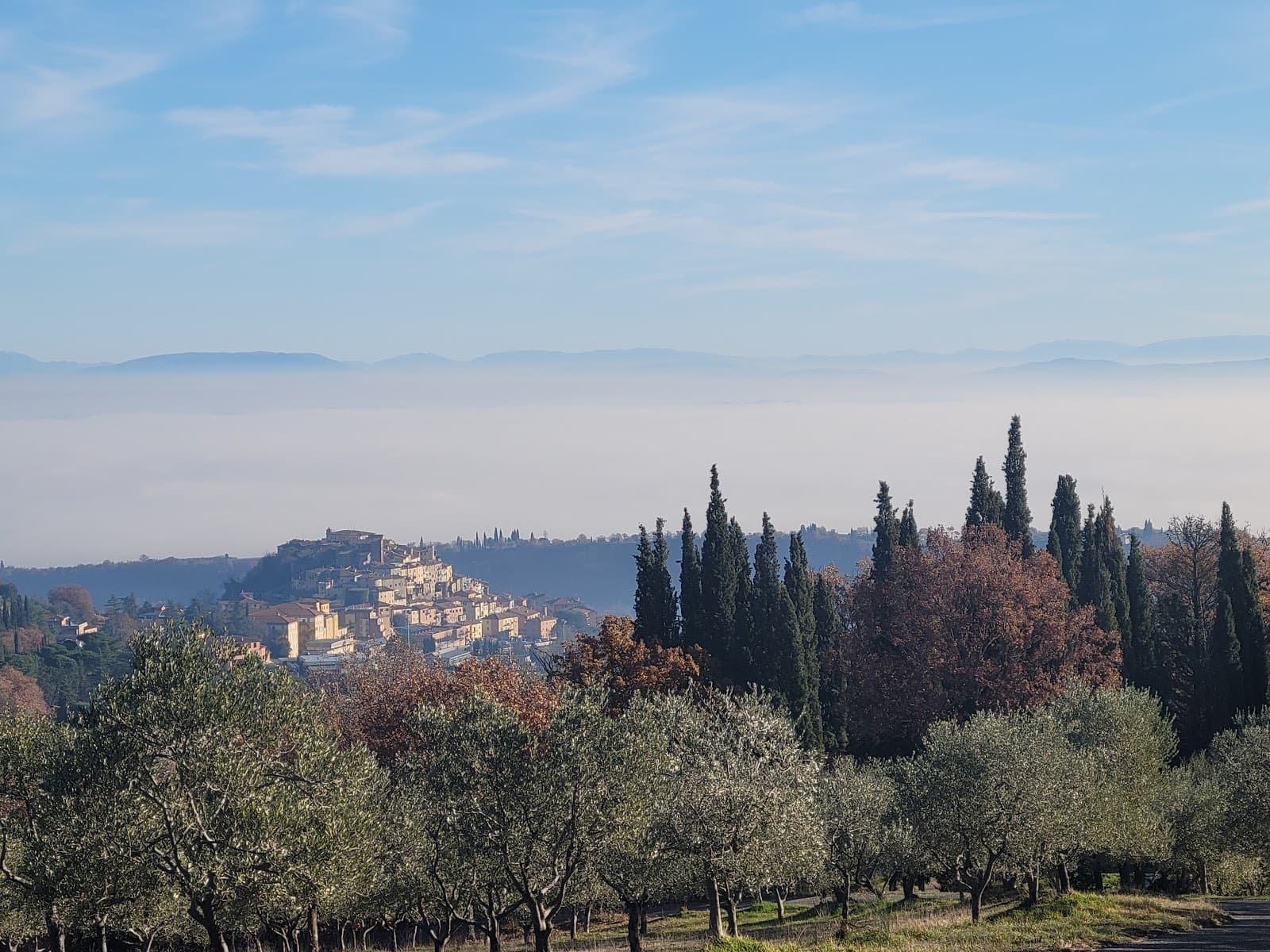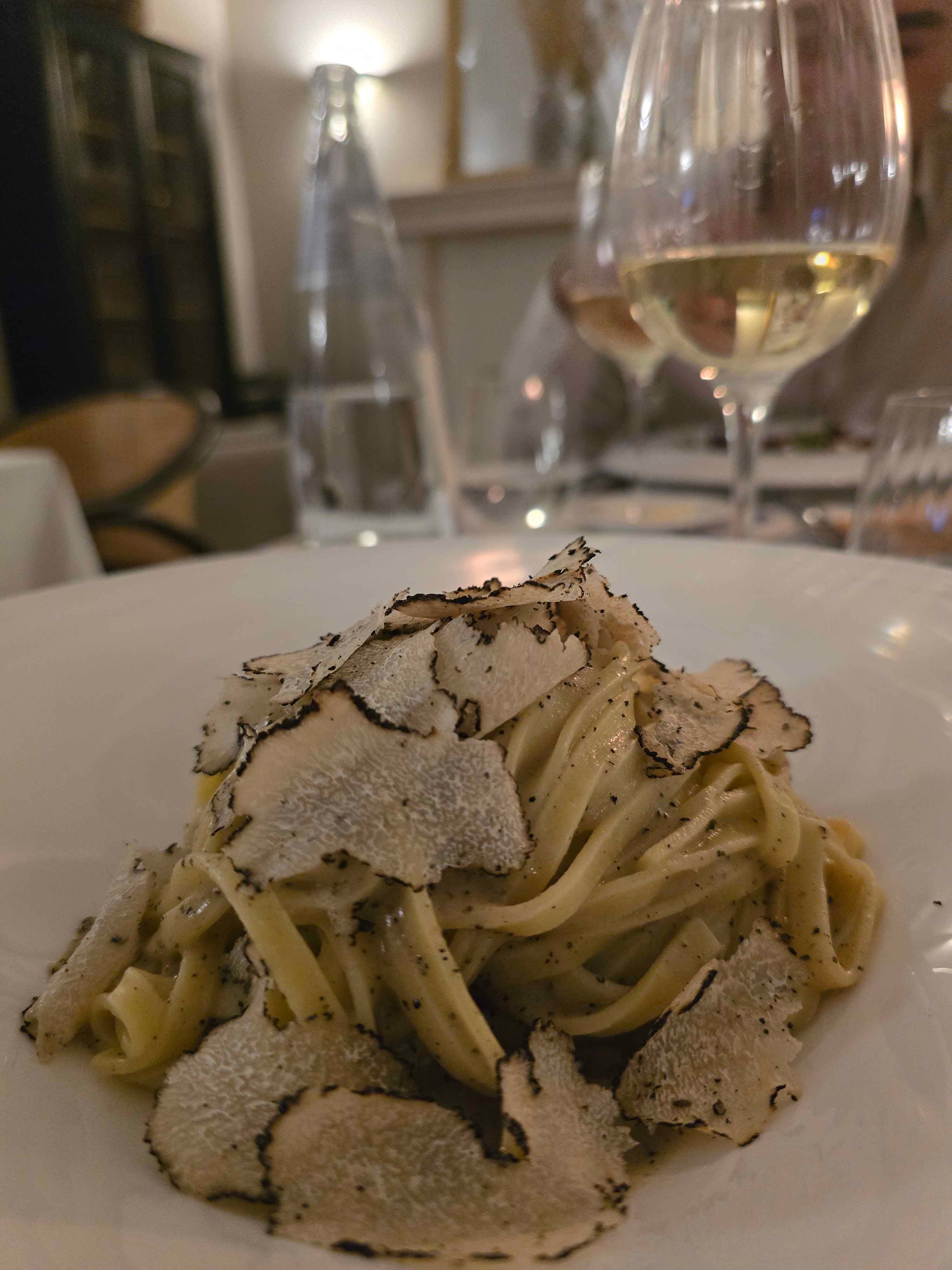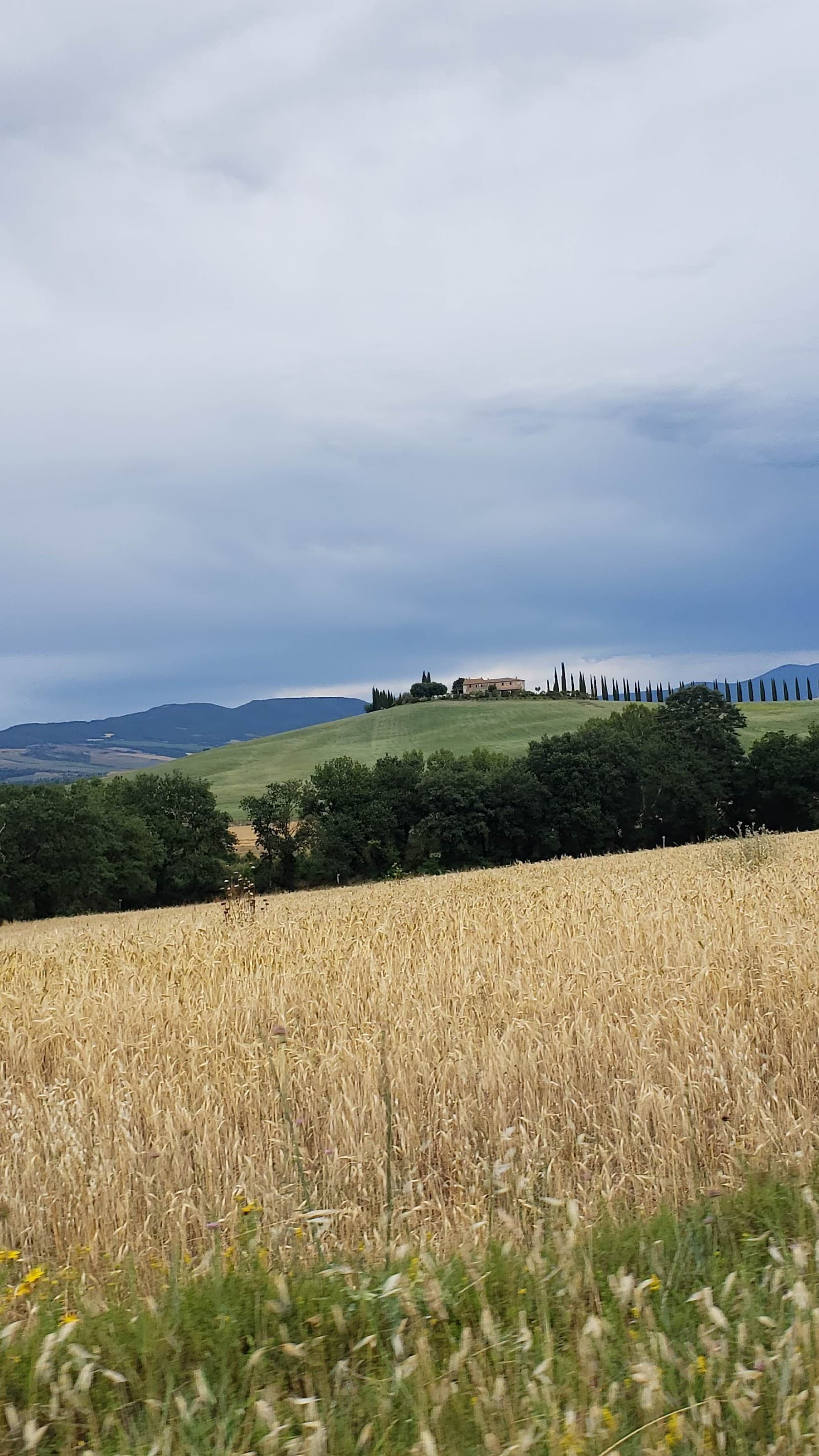
Seven days, one villa, and everything southern Tuscany has to offer — from Siena's medieval piazzas to Orvieto's clifftop cathedral. A day-by-day itinerary built around Montepulciano.
One Week in Southern Tuscany
Seven days isn't long enough for Tuscany. It's also exactly long enough to feel like you've genuinely arrived somewhere and properly explored it — which is a different experience from the two-nights-and-move-on approach that exhausts people in Italy without actually satisfying them.
This itinerary is built around Montepulciano as a base: one villa, one set of keys, one place to come home to every evening. The Val d'Orcia, Siena, Orvieto, Montalcino, Pienza, and the Saturnia thermal baths are all within an hour or 90 minutes by car. You don't need to move hotels. You don't need to pack and unpack. You just drive.
You will need a car. This is not negotiable. The driving is easy by Italian standards — mostly highways and good provincial roads — and the freedom it gives you to stop wherever something catches your eye is worth more than any other single travel decision you'll make for this trip.
Day 1: Arrive, Settle In, First Evening in Montepulciano
Afternoon: Arrival
Most guests arrive by car from Rome (2–2.5 hours via the A1) or Florence (2 hours via the A1 south to Valdichiana). The drive into the Montepulciano area, especially the last 30 minutes as you come off the autostrada and onto the SP146, is your first proper introduction to the Tuscan landscape — rolling hills, cypress-lined roads, stone farmhouses dissolving into vineyards on every hillside.
Get to the villa, unpack, and do nothing important for an hour. Have a glass of Vino Nobile on the terrace. Breathe.
Evening: First Taste of Montepulciano Town
Drive the 10 minutes up to Montepulciano and walk the Corso in the late afternoon light. Don't try to see everything today — just walk, look, and get oriented. The Corso climbs steeply for 600 metres from Porta al Prato at the bottom to Piazza Grande at the top. At the summit, the views over the Val di Chiana and the Val d'Orcia are extraordinary, especially in the golden hour before sunset.
For aperitivo: Caffè Poliziano on the Corso has been serving coffee and wine since 1868. The terrace delivers one of the best views in town. Order a Campari Spritz or a glass of local Vino Nobile and watch the light change on the hills.
For dinner: Osteria Acquacheta (book ahead — essential in summer) is the quintessential Montepulciano dinner. Loud, packed, communal tables, no-nonsense service, extraordinary bistecca fiorentina from Chianina cattle and pici al ragù that will change how you think about pasta. This is the meal most of my guests talk about for years.
Day 2: Montepulciano Deep Dive — Wine, History, and the Tempio
Morning: Wine Tasting Underground
Start with a morning visit to one of the great wine estates in the Vino Nobile DOCG. Dei (a short drive from the town) is my first recommendation — Caterina Dei makes wines of extraordinary elegance and the visit is personal and unhurried. Bindella is another favourite, with beautiful organic vineyards and a welcoming winery. Book a morning slot starting at 10am.
Back in town, Cantina de' Ricci offers tastings in the historic underground cellars beneath the Corso — tufa rock caverns that extend for hundreds of metres under the town, some of the oldest continuously used wine cellars in the DOCG. The entry-level tasting is excellent value.
Midday: Piazza Grande
The Piazza Grande at the top of town is one of the finest civic spaces in Italy. Spend time here: climb the Torre del Comune for panoramic views, explore the Duomo (the incomplete facade reveals the scale of civic ambition in 15th-century Montepulciano), and walk through the Palazzo Nobile-Tarugi arcade.
Lunch: Osteria del Conte just off the Piazza Grande. Small, personal, exceptional pici. Book ahead in summer.
Afternoon: San Biagio and More Cellars
After lunch, take the steep back streets down the western side of the hill toward the Tempio di San Biagio — a perfectly proportioned Renaissance church in honey-coloured travertine, sitting in isolation 400 metres below the town walls. Built in 1518 by Antonio da Sangallo the Elder, it's a masterwork that almost nobody knows exists. Quiet, beautiful, and completely unhurried.
Back in town: spend the late afternoon in the remaining cellars and enoteca on the Corso. Contucci near the Piazza Grande — run by the same family since the 16th century — for history and traditional winemaking. E Lucevan le Stelle just below the piazza for excellent aperitivo with local salumi and cheeses.
Day 3: Val d'Orcia — Pienza, Bagno Vignoni, San Quirico
Morning: Pienza
Leave by 9am to beat the tour buses. The drive to Pienza takes 20 minutes on the SP146 — arguably the most photographed road in Tuscany. Pienza is unique: a complete Renaissance new town built by Pope Pius II in the 1460s, preserved almost unchanged for 550 years.
Walk the Corso Rossellino from end to end. Buy pecorino from the alimentari shops — ask for fresco, semi-stagionato, or stagionato, and taste before you buy. The stagionato wrapped in walnut leaves is extraordinary.
Have a coffee at Bar Il Casello at the end of the main street, with a terrace overlooking the Val d'Orcia. One of the great café views in Italy.
Midday: Bagno Vignoni
Drive 20 minutes south to Bagno Vignoni: a medieval village whose central piazza is a large Medici thermal pool, steaming gently year-round. Below the village, Parco dei Mulini has natural outdoor thermal pools where you can wade. Arrive by noon for the best light and fewest people.
Lunch at La Parata (simple, honest Tuscan food) or Osteria del Leone (a step up in quality, beautiful garden terrace).
Afternoon: San Quirico d'Orcia and the Drive Home
San Quirico d'Orcia is a 10-minute drive and worth a 30-minute stop: the Collegiata's 12th-century carved doorways are extraordinary, and the free Horti Leonini Renaissance garden in the main square is beautifully maintained and almost always quiet.
The drive back to Montepulciano via the cypress-lined SP146 is the classic Tuscany photograph — slow down, stop for it, take your time. This is exactly what you came here for.
Day 4: Siena — A Full Day in the Medieval Capital
All Day: Siena
Siena deserves a full day and will reward it. Leave by 9am (1-hour drive north). Park at Parcheggio Il Campo or Parcheggio San Francesco (outside the ZTL zone, both well signposted) and walk in.
Morning: Start at the Piazza del Campo — the fan-shaped medieval piazza where the famous Palio horse race is run twice a year. Sit at a café and take it in before the crowds arrive. Then visit the Palazzo Pubblico and climb the Torre del Mangia for extraordinary views over the rooftops and countryside.
Midday: Explore the Duomo complex — one of Italy's finest Gothic cathedrals. The extraordinary inlaid marble floor is partially covered for most of the year (fully revealed August–September). The Libreria Piccolomini inside has vibrant frescoes by Pinturicchio. The Museo dell'Opera del Duomo houses the original Duccio altarpiece.
Lunch anywhere on the streets around the Campo or the Duomo. Il Grattacielo near the Campo is good value. Trattoria Papei, a few streets back, is a local favourite for simple Sienese cooking.
Afternoon: The Pinacoteca Nazionale on Via San Pietro has one of the finest collections of Sienese Gothic painting in existence — Duccio, Simone Martini, the Lorenzetti brothers. If medieval Italian painting interests you, this is unmissable. Otherwise, explore the narrow streets of the Terzo di San Martino (quieter than the main tourist areas) and the markets around the Campo.
Evening: Drive back to Montepulciano (1 hour). Dinner at the villa or a quiet restaurant in town.
Day 5: Wine Country — Montalcino and Brunello
Morning: Drive to Montalcino
Montalcino is 40 minutes west. Take the scenic route via Torrenieri through the heart of the Val d'Orcia — you'll pass the famous Cappella della Madonna di Vitaleta (the small chapel in an open field that appears in virtually every Val d'Orcia photograph) and the cypress-lined road to the Agriturismo Podere Belvedere. Stop for photographs. This is the landscape.
Montalcino itself is a compact hilltop town dominated by a 14th-century fortress. The fortress enoteca is the easiest place to taste a range of Brunello di Montalcino producers without pre-booking winery visits. Good selection of both current and older vintages.
Midday: Winery Visit
If you've pre-booked a winery (highly recommended), this is your slot. Casanova di Neri makes some of the finest Brunello in the denomination. Il Poggione is consistently excellent and one of the more welcoming estates for visitors. Biondi-Santi is the historic name (the family invented Brunello as a wine category in the 19th century) but requires advance booking and is on the expensive side.
Lunch at Ristorante Re di Macchia in Montalcino town — excellent local cooking, good wine list.
Afternoon: Val d'Orcia Scenic Drive
Drive back via the scenic SP146, stopping at Bagno Vignoni again for a late afternoon thermal pool visit if the mood takes you. The drive from Montalcino through San Quirico d'Orcia toward Montepulciano is 50 minutes of UNESCO World Heritage landscape. Slow down.
Day 6: Saturnia in the Morning, Orvieto in the Afternoon
Morning: Saturnia Thermal Baths
The Cascate del Mulino at Saturnia are one of the great free natural experiences in Italy: natural thermal pools formed by a sulfurous waterfall (37°C year-round) in the middle of the open countryside. Leave the villa by 8am (1-hour drive south), arrive before the day-trippers. Bring towels, flip-flops, snacks, and a book. Spend 2–3 hours. There is no admission fee. There is also no scenery in Italy quite like soaking in a steaming thermal pool surrounded by green hills in the morning light.
Midday: Drive to Orvieto
From Saturnia, drive north and east to Orvieto — about 1 hour via Pitigliano. The approach to Orvieto, which sits on a dramatic volcanic clifftop visible from miles away, is one of those views you remember. Take the funicular up from the parking area at the base of the cliff.
Afternoon: Orvieto Duomo and Underground
The Duomo di Orvieto is one of Italy's finest Gothic cathedrals — the facade a mosaic of gold, carved stone, and coloured mosaics that took over 300 years to complete. Inside, Luca Signorelli's fresco cycle in the Cappella di San Brizio is a masterwork of Renaissance painting and a direct influence on Michelangelo's Sistine Chapel ceiling.
Allow at least 2 hours for the Duomo complex. If time permits, Orvieto Underground offers guided tours of the Etruscan tunnels and medieval cellars beneath the city — fascinating and highly recommended. Book online.
Drive back to Montepulciano: 1 hour. Dinner at the villa or in town.
Day 7: Slow Morning, Last Tastes, Departure
Morning: The Farmer's Market or Cortona
If it's a Saturday or Wednesday morning, the Montepulciano market sets up near Porta al Prato — fresh produce, local cheese, seasonal vegetables, flowers. Stock up for a villa lunch.
Alternatively: drive 50 minutes north to Cortona for a final hilltop town experience — Etruscan history at the MAEC museum, panoramic views over the Valdichiana, a very good coffee at a café that isn't trying to impress you.
Late Morning: Final Winery Stop
If you haven't visited Dei or Bindella yet, this is your last chance. A morning tasting, a bottle or two purchased to bring home (ask for proper packing for checked luggage). Done.
Afternoon: Departure
Rome is 2–2.5 hours south. Florence 2 hours north. Both airports are well connected. Drive the SP146 one more time, slowly, and try to commit the Val d'Orcia landscape to memory. You'll be back.
Practical Notes
Book ahead: Osteria Acquacheta (2–3 weeks in summer), Siena's Torre del Mangia (online, same day sometimes OK but don't risk it), winery visits (1 week minimum), Orvieto Underground (online in advance). Everything else is walk-in friendly in shoulder season.
ZTL zones: Montepulciano, Pienza, San Quirico, Siena, Orvieto, Cortona — all have restricted traffic zones in the historic centre. Follow "P" parking signs, leave the car, walk in. Your accommodation can advise on ZTL permits for your specific property.
Driving: Italian country roads are narrow and Italian drivers are fast. Take your time, use your horn on blind bends (normal here), and don't attempt the smallest strade bianche (white gravel tracks) in a standard rental car. GPS is unreliable on some country roads — download offline maps.
Taxi: For evenings in Montepulciano when you don't want to drive: +39 0578 716 393. Pre-book, especially in summer.
Avoid August peak if you can: Late July and August are the most crowded months. Prices are higher, restaurants are booked solid weeks ahead, and the heat in Siena can be intense. May, June, September, and October are dramatically more pleasant.
Frequently Asked Questions
Is one week enough for Tuscany?
One week is enough to experience one part of Tuscany properly — in this case, the southern Tuscany centred on Montepulciano and the Val d'Orcia. It's not enough to see all of Tuscany (which could absorb a month), but a week in one area, well planned, is more satisfying than two weeks rushing between seven cities. You'll come back.
When is the best time to visit Montepulciano for a week's stay?
May and June are exceptional — the countryside is lush, the weather is warm without being oppressive, and crowds at most sites are manageable. September and October are my personal favourites: harvest season, the vineyards turn gold, truffle season begins, and the light in the Val d'Orcia is extraordinary. Avoid August if you can.
Do I need a car for this itinerary?
Yes, entirely. Every day trip on this itinerary requires a car. Public transport connections between the Val d'Orcia villages and to Siena, Orvieto, and Saturnia are either non-existent or too infrequent to be practical. Arrange a rental car in advance — either pick up at the nearest airport or arrange delivery to your villa through your host.
Is a villa better than a hotel for this kind of trip?
For a group of 4 or more and a week-long stay, a villa is almost always better. You have a shared space to come home to, a kitchen for simple meals, a pool to collapse beside after a day of sightseeing, and a base that feels like somewhere rather than a room in a building. The economics often work out similarly to mid-range hotels once you split the cost across the group. For solo travellers and couples, a hotel or agriturismo in town makes more sense.
Where to Stay
Molino Nobile** is the villa this itinerary was built around. Six bedrooms, sleeps 12, heated pool and jacuzzi with panoramic vineyard views, 10 minutes from Montepulciano town. A private chef is available on request for lazy evenings when you don't want to drive. We're in the heart of the Vino Nobile DOCG — the wineries in this guide are your neighbours.
Browse all available properties in our villa directory.
Related Reading
Planning a trip to Montepulciano?
Browse our handpicked villas — pools, vineyard views and everything on your list within easy reach.